


What is a TVWS antenna?
Definition: Designed for television white spectrum frequencies of 470-698 MHz, used to transmit and receive signals that can penetrate obstacles,Provide reliable communication links for rural and remote areas.

What is TV white spectrum?
Definition: The unused or underutilized portion (mostly television channel slots) of the radio spectrum originally allocated for television broadcasting.After the transition from analog TV to digital TV, it can be used for other wireless communication applications.
Application: Wireless broadband Internet access, machine-to-machine communication, Internet of things, etc.
What are the advantages of TVWS?
1. Improve connectivity: bridge the digital divide to reach hard-to-reach areas with traditional wired/wireless technologies.
2. Wide coverage: the signal spreads far and has strong ability to penetrate obstacles such as buildings and trees.
3. Increased bandwidth: Low-band features provide greater bandwidth to ensure connection speed and reliability.
4. Cost-effective: Existing television broadcasting infrastructure can be used to reduce additional investment.
5. dynamic spectrum access: that available frequency are identified through the spectrum database, and the resource are efficiently utilized without interference.
6. Interference suppression: Spectrum sensing, geolocation database and other technologies are used without affecting the existing television broadcasting.
7. Versatility: Adapt to scenarios such as Internet access, Internet of Things, smart agriculture, emergency communications, and urban Wi-Fi expansion.
What are the disadvantages of TVWS?
1. large antenna size: difficult to integrate into small device or areas with limit space.
2. Complex technology: Relying on spectrum database, geographic positioning and other technologies, the cost of implementation and maintenance is high.
3. Spectrum availability: It varies from region to region, and the available channels are limited in densely populated areas with dense TV stations.
4. Interference risk: May cause interference with existing television broadcasting or wireless systems in the same frequency band.
5. Regulatory challenges: regulations vary from country to country, and obtaining licenses is time-consuming and expensive.
6. High cost of deployment and operation: affected by antenna size, technical complexity and interference suppression measures.
7. Limited bandwidth: Insufficient available bandwidth compared to other wireless technologies, limiting data speed and capacity.
What is the TVWS antenna used for?
Core use: access and utilize television white spectrum,To achieve wireless broadband Internet access, rural connectivity, Internet of Things equipment communication and other wireless communication needs.
How does the TVWS antenna work?
1. Operating band: UHF band (470-698 MHz), suitable for TV broadcasting frequency range.
2. work logic: detecting that available TV channel through the software and hardware combination scanning area;Configure the best operating channel by bypassing existing TV broadcast frequencies with the help of a built-in database; continuously monitor spectrum changes and adjust dynamically.
What is the range of the TVWS antenna?
Normal range: up to several kilometers.
Influencing factors: transmitting power, operating frequency, terrain, obstacles, interference, visual range conditions, etc.
What does the TVWS antenna consist of?
1. Antenna element: core component, used to receive and transmit RF signals.
2. Feeder: connect the antenna element and radio equipment to transmit signals.
3.Mounting hardware: brackets, clamps, etc., used to secure the antenna to the mast, tower, or pole.
4. Radome: Plastic or fiberglass material to protect the antenna from environmental factors.
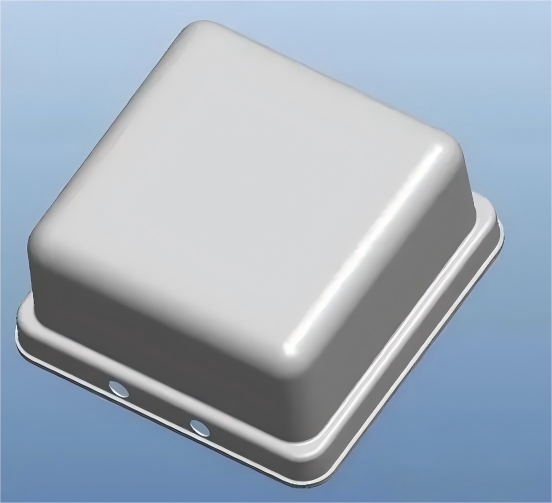
5. Grounding system: including grounding rod, conductor, etc., to prevent lightning and ensure electrical safety.
6. RF connector: Connect the antenna and radio equipment to ensure safe and reliable communication.
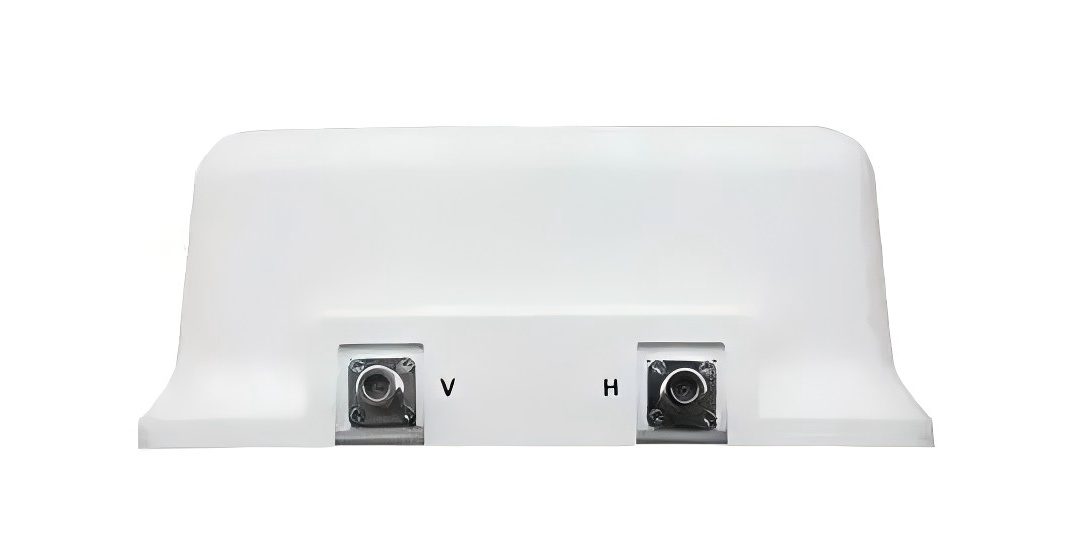
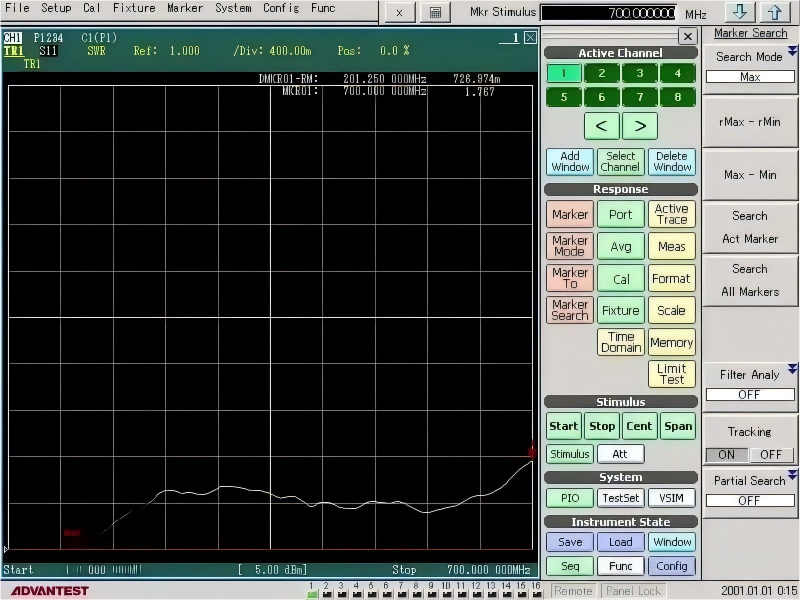
TVWS Antenna Frequency
Operating range: 470-698 MHz, covering UHF channels 14-51.
Core features: the use of television broadcast channel gaps, the use of white spectrum without interference.
TVWS antenna gain
Definition: a measure of the directional ability of an antenna to concentrate energy in decibels.High gain enhances signal strength, extends communication distance, and mitigates interference.
Note: The high-gain antenna has a narrow beam width and needs to be precisely aligned with the base station to ensure signal quality.
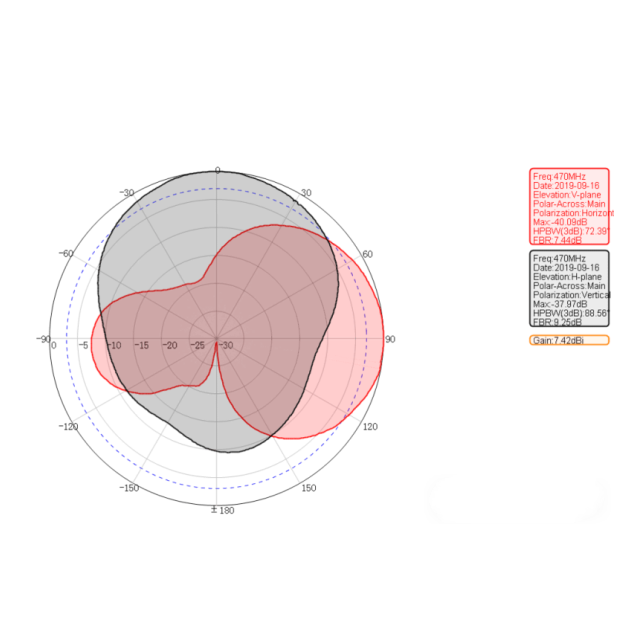
TVWS Antenna Polarization
Common types: vertical polarization, horizontal polarization, oblique polarization (±45 degrees).
Advantages of oblique polarization: reduce multipath interference, improve signal penetration, support diversity reception, and suppress external interference.It is a popular choice for TVWS applications.
TVWS Antenna Type
Yagi Antenna: Directional antenna with high gain for long distance point-to-point connections in rural areas.

Omni-directional antenna: 360-degree coverage, applicable to urban multi-base station and multi-device connection scenarios.

Panel antenna: directional antenna, with beam width wider than that of Yagi antenna, suitable for multi-distance and multi-direction coverage in the suburbs.
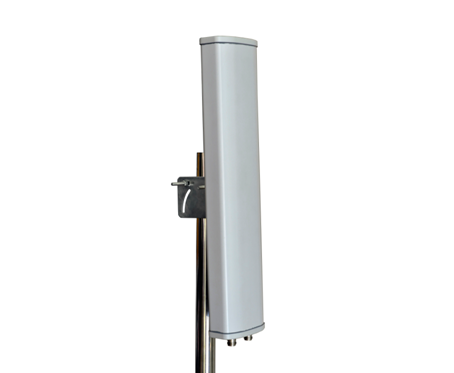
The role of TVWS antennas in modern communications has been transformative, particularly in facilitating Internet access where it is most needed. By understanding the working principles and applications of these antennas, stakeholders can better leverage the potential of TV white spectrum to effectively meet the growing connectivity demand.
Professional Communication Products
ZHENGZHOU LEHENG ELECTRONIC TECHNOLOGY CO.,LTD
Tel:86-371-60911368
Email:info@global-antenna.com
Website:https://www.asialeren.com


 External GPS Antenna
  Ceramic antenna
  Internal GPS Antenna
  Surveying Antenna
 Magnet Antenna
  Patch Antenna
  Rubber Antenna
  Screw Antenna
  Spring Antenna
  Other Indoor Coverage Antenna&outdoor Wlan Antenna
 2.4G Antenna
  5.8G Antenna

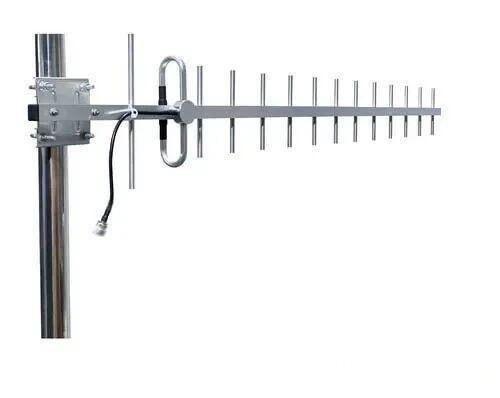 Outdoor Yagi TV Antenna


 Ceiling mount antenna
  Wall mount panel antenna
 Fiberglass Antenna
  Panel Antenna
  Parabolic Antenna
  Yagi Antenna


