

Views: 0 Author: Site Editor Publish Time: 2026-03-25 Origin: Site


A high gain antenna is designed to focus radio frequency (RF) energy in a specific direction, allowing signals to travel longer distances with improved strength and stability.
Compared to omnidirectional antennas, high gain antennas provide:
Longer transmission distance
Stronger signal strength
Reduced interference
Better connection stability
They are widely used in wireless bridge systems, rural internet deployment, and industrial communication networks.

When deploying wireless networks over long distances, standard antennas often struggle with:
Signal loss over distance
Environmental interference
Weak data transmission
A high gain directional antenna solves these issues by concentrating the signal into a narrow beam, improving both range and performance.
This makes them ideal for:
Point-to-point communication
Outdoor wireless coverage
ISP / WISP network deployment
Choosing the right antenna depends on your application. Here are the three most common types:

Key Features:
Very high gain (up to 26dBi or more)
Lightweight grid structure
Excellent wind resistance
Narrow beamwidth
Best For:
Long-distance wireless bridges
Rural internet connections
Outdoor installations
Example: 5G Grid Antenna (26dBi)

Key Features:
High gain (20–30dBi)
Extremely focused signal
High front-to-back ratio
Dual polarization options
Best For:
Point-to-point communication
Backhaul networks
High-capacity data transmission
Example: Dual Polarized 24dBi Dish Antenna

Key Features:
Medium to high gain
Directional coverage
Compact design
Cost-effective
Best For:
LTE signal boosting
Rural communication
Entry-level directional setups
Grid vs Parabolic vs Yagi Antenna
Type | Gain | Range | Use Case |
Grid Antenna | Very High | Very Long | Wireless bridge / rural ISP |
Parabolic Antenna | High | Backhaul | Backhaul / P2P links |
Yagi Antenna | Medium | Medium | LTE / cost-effective setups |
Make sure the antenna supports your required band (e.g., 2.4GHz, 5GHz, or 5G bands).
Higher gain = longer range, but narrower coverage.
Choose based on distance requirements.
Narrow beamwidth provides better focus but requires precise alignment.
Dual polarization improves data throughput and signal reliability.
For outdoor use, choose antennas with:
Wind resistance
Waterproof design
Lightning protection
High gain antennas are widely used in:
Wireless bridge connections between buildings
Rural broadband deployment
Video surveillance transmission
Industrial IoT networks
Campus and enterprise networking
Mount antennas at higher positions for clearer line-of-sight
Avoid obstacles like buildings and trees
Use proper alignment tools for directional antennas
Choose high-quality RF cables to reduce signal loss
Choosing the right high gain antenna is essential for achieving stable, long-range wireless communication.
Use grid antennas for maximum distance
Use parabolic antennas for precision and performance
Use Yagi antennas for cost-effective solutions
The right choice depends on your specific application, distance, and environment.
Looking for reliable high gain antennas for your project?
Explore our full range of directional antennas or contact us for OEM/ODM solutions and bulk pricing.
Professional Communication Products
ZHENGZHOU LEHENG ELECTRONIC TECHNOLOGY CO.,LTD
Tel:86-371-60911368
Email:info@global-antenna.com
Website:https://www.asialeren.com


 External GPS Antenna
  Ceramic antenna
  Internal GPS Antenna
  Surveying Antenna
 Magnet Antenna
  Patch Antenna
  Rubber Antenna
  Screw Antenna
  Spring Antenna
  Other Indoor Coverage Antenna&outdoor Wlan Antenna
 2.4G Antenna
  5.8G Antenna

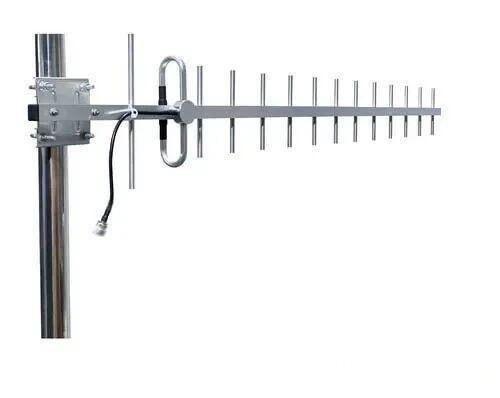 Outdoor Yagi TV Antenna


 Ceiling mount antenna
  Wall mount panel antenna
 Fiberglass Antenna
  Panel Antenna
  Parabolic Antenna
  Yagi Antenna


