High Precision GPS/GNSS Antennas deliver centimeter-level accuracy for demanding applications like surveying and precision agriculture. These antennas support multi-constellation signals including GPS, GLONASS, Galileo, and BeiDou, ensuring reliable performance in challenging environments.
Advanced High Precision GPS Antennas
High precision GPS antennas elevate GPS precision to new levels, locking onto L1/L2 bands with phase-stable signals for real-time kinematic (RTK) applications. These antennas reject multipath interference using advanced choke rings and multi-layer filtering, achieving high accuracy GPS receiver performance even in urban canyons or forested areas. At AsiaLeren, models like the GPS L1 High Precision Antenna offer 40dBi gain, ideal for base stations and mobile rovers.
Superior axial ratios below 2dB ensure clean RHCP signals. Compact helical designs fit Anti jamming antennas and vehicles seamlessly. IP67-rated housings withstand harsh weather for year-round relia
bility.
Superior High Precision GNSS Antennas
High precision GNSS antennas support multi-constellation tracking—GPS, GLONASS, BeiDou, Galileo—for global precision GPS coverage without blind spots. They handle L-Band corrections for PPP-RTK, boosting GNSS receiver antenna accuracy to millimeters. AsiaLeren's 1555-1559MHz SMA male antennas excel in surveying, with low noise amplifiers (LNA) amplifying weak signals from low-elevation satellites.
Key strengths include wide bandwidth (1.1-1.6GHz) and stable phase centers. Survey-grade builds suit geodetic networks. Integration with high accuracy GPS receivers minimizes downtime in precision agriculture.
RTK-Enabled Precision GPS Receivers
Precision GPS receivers paired with our GPS receiver antennas enable RTK corrections over NTRIP, delivering 1-2cm horizontal accuracy. These systems fuse IMU data for tilt compensation, allowing 60° lean without repositioning. AsiaLeren offers combos like the GL-BA700 40dBi antenna, perfect for machine control in construction.
Multi-frequency support (L1/L2/E5a/E5b) counters ionospheric errors. Hot-start times under 10 seconds speed workflows. Robust designs handle vibrations in Anti jamming antennas and tractors.
Versatile GNSS Receiver Antennas
GNSS receiver antennas from AsiaLeren cover B1, E5a, E5b, and L-Band for full-spectrum navigation. Models like the E5b RHCP High Precision Antenna provide 824MHz to 1575MHz tuning, ideal for high precision gps antenna upgrades on legacy gear. They feature TNC/SMC connectors for quick swaps on RTK rovers.
Low VSWR (<1.5:1) maximizes power transfer. Ground plane independence suits portable setups. Backward compatibility with older precision gps hardware extends equipment life.
Multi-Band High Precision GPSGNSS Solutions
Our multi-band high precision GPSGNSS antennas combine GPS L1/L5, GLONASS G1/G2, and Galileo E1/E5 for hybrid positioning. The 40dBi GPS RHCP 1575MHz model supports high accuracy gps receiver networks, with gains up to 40dBi for long baselines. Perfect for CORS stations, they auto-switch constellations for uninterrupted tracking.
Feature | Multi-Band High Precision GPSGNSS Antenna | Single-Band Alternative |
Frequency Range | 1164-1610MHz (L1/L2/L5/E5a/E5b) | 1575MHz (L1 only) |
Gain | 35-40 dBi | 20-30 dBi |
Accuracy | <1cm RTK | 1-2m standalone |
Constellations | GPS/GLONASS/BeiDou/Galileo | GPS only |
Applications | Surveying, Anti jamming antennas, Agriculture | Basic navigation |
This table highlights why AsiaLeren's solutions outperform basics, reducing correction needs and costs.
L-Band and Specialized Precision Antennas
L-Band high precision GNSS antennas like our dedicated model ingest satellite-delivered corrections for standalone PPP, achieving 10cm accuracy worldwide. Paired with gps precision receivers, they eliminate base station dependency. The B1 RHCP and L1 GPS variants target specific bands for optimized gnss receiver antenna performance in marine and aviation.
High cross-polarization rejection (>25dB). Lightweight carbon fiber radomes for aerial use. Custom tuning for high precision gps in deformed environments.
Key Benefits of Asialeren High Precision Antennas
Asialeren high precision GPSGNSS antennas deliver unmatched GPS precision with low TCO. They cut survey times by 50% via fast ambiguity resolution and support hybrid INS/GNSS for outage bridging. In agriculture, precision gps receiver integration boosts yield mapping; in construction, it guides autonomous dozers.
Applications Across Industries
Our high precision gps antenna collection powers critical sectors.
Surveying and Mapping
GNSS receiver antennas enable cm-level topo surveys with RTK networks, ideal for cadastral work and urban planning.
Precision Agriculture
High accuracy gps receiver setups guide tractors for variable-rate seeding, saving 15% on inputs via precision gps field mapping.
Autonomous Vehicles and Anti jamming antennas
High precision GNSS antennas provide dead-reckoning during GNSS outages, essential for Anti jamming antenna LiDAR and self-driving tractors.
Geospatial and Deformation Monitoring
L-Band models track bridges and dams with gps receiver antenna stability, alerting to mm shifts.
Marine and Aviation Navigation
Multi-band high precision gps ensures safe docking and flight paths in GNSS-denied zones.
Technical Specifications Overview
Asialeren antennas boast rigorous specs for pro-grade use.
Model Type | Frequency (MHz) | Gain (dBi) | Connector | Polarization | Accuracy (RTK) |
GPS L1 High Precision | 1575.42 | 40 | SMA Male | RHCP | <1cm |
GL-BA700 40dBi | 1559-1606 | 40 | TNC | RHCP | 1-2cm |
E5b RHCP | 1191.795 | 35 | N-Female | RHCP | <5cm PPP |
L-Band High Precision | 1525-1559 | 38 | SMC | RHCP | 10cm standalone |
40dBi GPS RHCP | 1575 | 40 | SMA | RHCP | <1cm |
All feature 28dB LNA gain, 50Ω impedance, and IP67 protection. Compatible with Trimble, Leica, and Topcon precision gps receivers.
Installation and Optimization Guide
Step 1: Mount high precision GPSGNSS antennas on tripods or masts with skyward view, 2m above ground to dodge reflections.
Step 2: Use LMR-400 cables (<20m) to link gps receiver antenna to base/rover, minimizing <1dB loss.
Step 3: Align phase center vertically; apply tilt compensation for high accuracy gps receiver setups.
Step 4: Test with RTKLIB or receiver software—aim for fixed solutions >95%. Secure against wind/vibration.
Pro tip: Pair with AsiaLeren splitters for multi-device networks.
Why Choose AsiaLeren for High Precision Needs?
Asialeren antennas stand out with hermetic seals and 5-year warranties, meeting rigorous standards for industrial reliability. Their multi-stage LNAs deliver superior out-of-band rejection, critical for coexisting with 5G or LTE signals in modern setups. Optimized for high-accuracy receivers, they minimize downtime in precision agriculture, Anti jamming antenna mapping, and geophysical research.
Request a Quote
Request a Quote Today for High Precision GPS/GNSS Antennas. Contact Asialerendirectly via email at info@global-antenna.com to get personalized pricing, specifications, and fast delivery options tailored to your surveying, agriculture, or marine projects.
FAQ
What is a High Precision GPS GNSS Antenna?
A high precision GPS GNSS antenna receives signals from multiple satellite systems like GPS, GLONASS, Galileo, and BeiDou for centimeter-level positioning accuracy. Unlike standard GPS antennas, these feature multi-frequency bands (L1/L2/L5), stable phase centers, and multipath rejection for gps precision in demanding environments.
How Accurate Are These Antennas?
They achieve 1-2 cm horizontal accuracy with RTK or PPP techniques when paired with a high accuracy gps receiver. Factors like multi-constellation tracking reduce errors from ionospheric delays, outperforming single-frequency gps receiver antennas by up to 99% in precision gps tasks.
What Are Common Applications?
Surveying and mapping use them for topographic data with sub-3 cm accuracy. Precision agriculture enables variable-rate farming, while Anti jamming antennas and autonomous vehicles benefit from stable gnss receiver antenna signals in obstructed areas.
How Do I Choose the Right Model?
Match frequency needs: L1 for basic gps precision, multi-band like E5b RHCP for high precision gnss antenna in Galileo systems. Prioritize low phase center variation (<1mm), high gain (up to 40dBi as in GL-BA700), and IP67 durability for your environment.
What Connectors and Mounting Options Exist?
Models feature SMA male, TNC, or N-type connectors compatible with most precision gps receivers. Mounting includes magnetic bases, pole clamps, or tripod adapters for gps receiver antenna integration in vehicles or surveys.
Can They Handle Harsh Conditions?
Yes, rugged designs withstand IP67 weatherproofing, vibrations, and temperatures from -40°C to +85°C, ideal for outdoor high precision gps applications.
What's the Difference from Standard GPS Antennas?
High precision versions offer circular polarization (RHCP), multipath suppression, and wider bandwidth versus meters-level accuracy of basic gps antennas. They excel in urban canyons where precision gps receiver performance drops.
How to Integrate with GNSS Receivers?
Connect via low-loss coaxial cables to gnss receiver antennas, enabling RTK corrections for real-time high precision gps. Ensure LNA compatibility for low noise figures below 2 dB.
What Maintenance is Required?
Regularly clean connectors and check for cable damage; firmware updates via receiver enhance multi-frequency tracking. Avoid strong RF interference near high precision gnss antenna deployments.
Where to Buy or Customize?
Contact AsiaLeren at info@global-antenna.com or WhatsApp +86-158-1557-1536 for models like 1555MHz SMA or L-Band antennas, with custom options available.


 External GPS Antenna
  Ceramic antenna
  Internal GPS Antenna
  Surveying Antenna
 Magnet Antenna
  Patch Antenna
  Rubber Antenna
  Screw Antenna
  Spring Antenna
  Other Indoor Coverage Antenna&outdoor Wlan Antenna
 2.4G Antenna
  5.8G Antenna

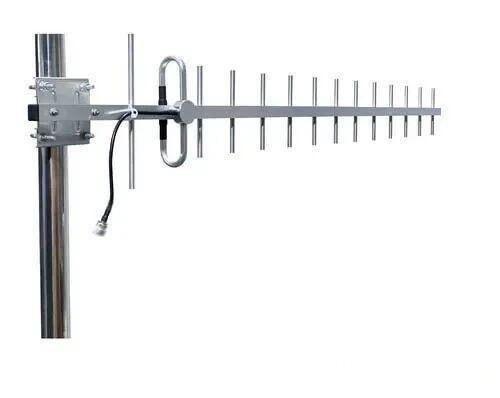 Outdoor Yagi TV Antenna


 Ceiling mount antenna
  Wall mount panel antenna
 Fiberglass Antenna
  Panel Antenna
  Parabolic Antenna
  Yagi Antenna


