-
A No, all GNSS antenna will be newly assembled according to your orders including the samples.
-
A A: GNSS antennas can operate in one or more frequency bands, including GPS, Beidou and Galileo. The more frequency bands used at the same time, the better the location. Antenna performance is largely limited by the laws of physics - the physical properties of an antenna play an important role in its performance parameters. When making decisions, it is important to consider whether the GNSS antenna will receive signals in free space or whether it will be used in sheltered areas such as the city center of a large city
-
A A: The size of the device and ground layer can have a significant impact on the RF performance of the antenna. Typically, the device becomes part of the antenna, and the position and orientation of other components within the device affect the antenna's ability to send and receive signals. In addition, the device may not always point to the sky, but it must work properly in a variety of random directions. In this case, a more spherical omnidirectional antenna should be sought.
-
A A: Some devices may not allow the use of internal GNSS antennas for a number of reasons, such as internal interference from other components, limited space, or use in blocked locations. In this case, an external GNSS antenna is needed, connected to the device via coaxial cable and RF connectors.
-
A Yes,the software can be set by default according to your requirements.
-
A Customization LOGO and color box,MOQ:1000pcs,best price: USD22.1/pc.
-
A Yes,included.
-
A Yes,sample price: USD30/pc.


 External GPS Antenna
  Ceramic antenna
  Internal GPS Antenna
  Surveying Antenna
 Magnet Antenna
  Patch Antenna
  Rubber Antenna
  Screw Antenna
  Spring Antenna
  Other Indoor Coverage Antenna&outdoor Wlan Antenna
 2.4G Antenna
  5.8G Antenna

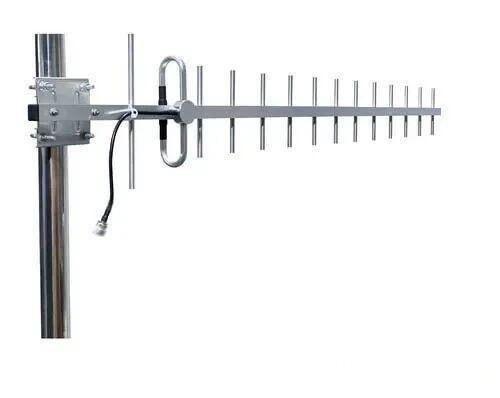 Outdoor Yagi TV Antenna


 Ceiling mount antenna
  Wall mount panel antenna
 Fiberglass Antenna
  Panel Antenna
  Parabolic Antenna
  Yagi Antenna


