

Views: 0 Author: Site Editor Publish Time: 2026-02-14 Origin: Site


Selecting the optimal 5G or 4G antenna ensures reliable connectivity, faster speeds, and minimal downtime for your network setup. This guide breaks down key factors, types, and practical tips tailored for routers, IoT devices, vehicles, and industrial applications.
Frequency compatibility tops the list when picking a 5G or 4G antenna. 4G antennas typically cover 700MHz to 2.7GHz for broad coverage and signal penetration through obstacles.5G antennasextend to sub-6GHz (up to 6GHz) and sometimes mmWave bands above 24GHz, enabling higher speeds but shorter range.
Match the antenna's range to your carrier's bands—check your router specs or apps like Network Cell Info. Combo antennas covering 600-6000MHz support seamless 4G-to-5G transitions and global roaming.
Antenna gain, measured in dBi, determines signal focus and range. Higher gain (5-10 dBi) narrows the beam for longer distances, ideal for rural or fixed setups. Omni-directional antennas provide 360° coverage with moderate gain (4-8 dBi), suiting mobile or urban environments like vehicles and hotspots.
Directional panel antennas (9-12 dBi) concentrate signals toward towers, boosting weak fringe areas in industrial sites. For best results, prioritize low VSWR (under 1.5:1) to minimize signal loss.
Modern 4G/5G routers use MIMO (Multiple Input Multiple Output) for doubled throughput via multiple ports. Match your antenna: 2x2 MIMO for basic routers, 4x4 for high-end 5G devices. Dual-polarized antennas (±45°) enhance performance in MIMO setups, especially for beamforming in 5G.
Single antennas limit speeds; always use one per port with proper spacing (at least 20cm) for optimal diversity. Combo MIMO models from suppliers like Asialeren integrate GPS for tracking in fleet management.
Type | Best For | Frequency Range | Gain (dBi) | Pros | Cons |
Omni-directional | Mobile, 360° coverage (vehicles, IoT) | 600-6000MHz | 4-8 | Easy install, all-around signal | Shorter range |
Directional Panel | Fixed, long-distance to towers | 698-5000MHz | 9-12 | High gain, obstacle penetration | Narrow beam |
Ceiling Mount | Indoor routers, offices | 600-6000MHz | 4-7 | Discreet, wide indoor coverage | Lower gain outdoors |
Magnetic Vehicle | Trucks, RVs | 600-6000MHz | 5-8 | Quick mount, weatherproof | Vibration-sensitive |
Choose based on environment: omnis for dynamic networks, directionals for static boosts.
Assess your setup: indoor antennas need compact, low-profile designs; outdoor ones require IP67 weatherproofing for rain, dust, and extremes. In industrial or maritime use, select vibration-resistant models with bracket or pole mounts.
Avoid metal obstructions—mount high with line-of-sight to towers. Use low-loss cables (LMR-400) and SMA/TS-9 connectors matching your device.
Position antennas externally for 3-10dB gains over internals. Test with apps post-install: aim for RSSI above -85dBm and SINR over 10dB. Secure cables to prevent strain; space MIMO elements vertically or horizontally.
For vehicles, magnetic bases work; indoors, ceiling mounts blend seamlessly. Regularly check for wear in harsh environments.
In telecom and manufacturing, combo 5G/4G antennas power routers for remote monitoring and 5G hotspots. Vehicles benefit from multi-band omnis for telematics and V2X safety. IoT sensors and smart cities use high-gain models for low-latency data uplinks.
Backward compatibility ensures 3G/4G fallback in transitional areas, vital for global supply chains.
Asialeren's combo antennas excel with 600-6000MHz coverage, MIMO support, and options like SMA connectors for Huawei/ZTE routers. Models include omni (5-8 dBi), panel (9-12 dBi), and ceiling mounts. Prioritize tested brands for reliability over generics.
Ready to upgrade? Contact suppliers like Asialeren for quotes tailored to your network.
What frequency bands do 5G antennas support compared to 4G?
5G antennas cover sub-6GHz (3.3-6GHz) for coverage and mmWave (24-40GHz) for speed, while 4G focuses on 600-2700MHz. Combo models (600-6000MHz) ensure compatibility.
Can I use a 4G antenna on a 5G router?
Partially—4G antennas work for fallback bands but miss 5G speeds. Upgrade to wideband antennas for full potential.
What's the role of MIMO in antenna selection?
MIMO (2x2 or 4x4) multiplies throughput by using multiple streams. Match ports on your antenna to the router; dual-polarized designs excel.
Omni vs directional: Which for urban vs rural?
Omni for urban/mobile (360° coverage, 5-8 dBi); directional panels for rural/fixed (9-12 dBi focused beam). Test signal direction first.
How does antenna gain affect performance?
Higher gain (dBi) extends range but narrows coverage. 4-6 dBi for general use; 9+ dBi for weak signals. Aim for VSWR <1.5.
What durability ratings for outdoor antennas?
IP67 for weatherproofing (dust-tight, submersion); UV-resistant materials for industrial/vehicle use. Vibration-proof for fleets.
Best connectors for routers like Huawei/ZTE?
SMA male/female, TS-9, or N-type. Use low-loss cables (e.g., LMR-100) under 5m to avoid signal drop.
How to test antenna effectiveness post-install?
Use apps like Network Signal Info: Target RSRP >-90dBm, SINR >15dB. Elevate mounts for 3-10dB gains.
Do I need GPS with 5G/4G antennas?
Yes for telematics/vehicles; combo units integrate GNSS (L1/L5) without extra bulk.
Where to source reliable antennas from China?
Asialeren offers MIMO combos, vehicle mounts, and panels—direct manufacturers with global shipping.


 External GPS Antenna
  Ceramic antenna
  Internal GPS Antenna
  Surveying Antenna
 Magnet Antenna
  Patch Antenna
  Rubber Antenna
  Screw Antenna
  Spring Antenna
  Other Indoor Coverage Antenna&outdoor Wlan Antenna
 2.4G Antenna
  5.8G Antenna

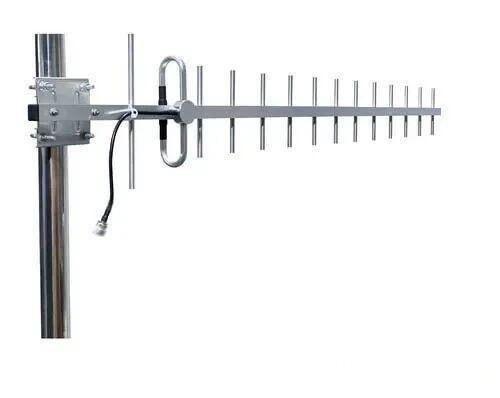 Outdoor Yagi TV Antenna


 Ceiling mount antenna
  Wall mount panel antenna
 Fiberglass Antenna
  Panel Antenna
  Parabolic Antenna
  Yagi Antenna


