

Views: 0 Author: Site Editor Publish Time: 2026-01-14 Origin: Site


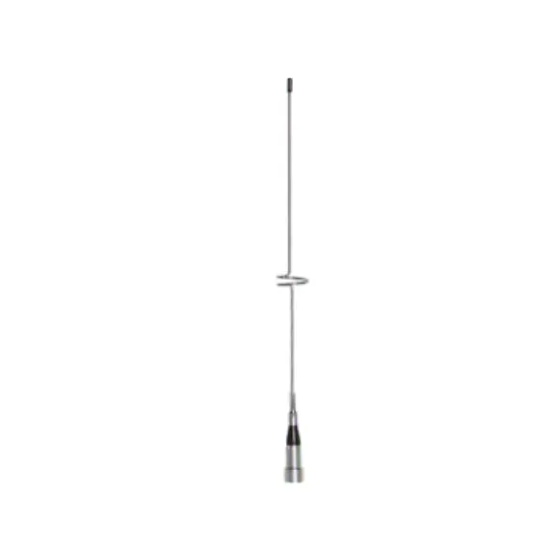
Ready to get your boat equipped for clear communication? You can install a VHF antenna yourself and boost your safety on the water. Proper installation means you stay connected when it matters most. If you like tackling hands-on projects, you’ll find this job straightforward. With a few tools and the right steps, you can handle it confidently.
Get all the tools and materials you need first. This helps you save time and work better.
Pick the right VHF antenna for your boat type. Motorboats need a higher gain antenna. Sailboats need a lower gain antenna.
Put the antenna as high as you can to get better signal range. Make sure it is tight and not close to other antennas. This stops interference.
Run and seal cables the right way to keep out water. Use marine sealant and heat-shrink tubing for extra safety.
Check all connections and look for safety problems before you go out. Checking everything helps you talk clearly and stay safe on the water.
Get your tools and materials before you start. This makes the job easier. You will not need to run to the store. Here is what you need.
You do not need special tools for this job. Most tools are easy to find at home. Make sure you have these:
Cordless drill (with drill bits)
Screwdrivers (Phillips and flathead)
Adjustable wrench or socket set
Wire stripper and cutter
Measuring tape
Marker or pencil
Crimping tool
Heat gun (for heat-shrink tubing)
Multimeter (for testing connections)
Safety glasses ️
Tip: Put out your tools before you begin. This helps you work faster. You will not lose small parts.
You need good materials so your antenna works well. Use this table to check off each item you need:
Material | Purpose |
|---|---|
VHF antenna (with mount) | Main part for communication |
Coaxial cable (RG-58 or RG-8X) | Connects antenna to your radio |
Marine-grade connectors | Keeps cable connections safe from water |
Heat-shrink tubing | Stops moisture from getting in cables |
Stainless steel screws/bolts | Fasteners that do not rust |
Cable ties or clamps | Holds cables in place |
Marine sealant | Seals holes and keeps water out |
Electrical tape | Protects cable connections |
Grounding wire (if needed) | Makes things safer and cuts down noise |
Note: Pick marine-grade materials. They last longer in saltwater and bad weather.
Once you have your tools and materials, you can pick the best VHF antenna and mount for your boat.
You want your vhf antenna to match your needs on the water. Start by looking at the type of vhf antenna that fits your boat. If you have a sailboat, you might pick a whip antenna with lower gain, like 3dB. This type works well because your boat rocks and tilts. For motorboats, you can choose a higher gain antenna, such as 6dB or 8dB. These antennas send signals farther when your boat stays steady.
Check the frequency range. Most marine vhf antennas work in the 156-174MHz band. Make sure your antenna matches your radio. Look at polarization, too. Vertical polarization is best for marine vhf communication. You get a stronger signal and better coverage.
Here’s a quick table to help you decide:
Boat Type | Recommended Gain | Polarization | Frequency Range |
|---|---|---|---|
Sailboat | 3dB | Vertical | 156-174MHz |
Motorboat | 6-8dB | Vertical | 156-174MHz |
Tip: Ask your supplier about antennas from Zhengzhou LEHENG Electronic Technology Co., Ltd. They offer reliable vhf antenna options for all boat types.
Mounting an antenna in the right spot makes a big difference. You want your vhf antenna as high as possible. The higher the antenna, the farther your signal travels. Put it on the mast of a sailboat or the roof of a motorboat. Keep it away from other antennas and metal objects. This helps you avoid interference.
Use a sturdy mount. Make sure it holds the antenna steady, even in rough weather. Leave space between antennas. Try to keep at least three feet between your vhf antenna and any other antenna. This keeps your signal clear.
Note: Always check for strong support before you drill. A solid base means your antenna stays safe and works well.

You want your vhf antenna to stay put, even when the waves get rough. Start by picking the spot you marked earlier. Grab your cordless drill and make pilot holes for the screws or bolts. This helps you avoid cracking the surface. If you use through-bolts, slide them through the base and secure them with washers and nuts on the other side. Tighten everything with your wrench. You want the mount to feel solid, not wobbly.
Check the mount for movement. Push and pull gently. If it shifts, add a brace or use longer bolts. Stainless steel hardware works best. It resists rust and keeps your vhf antenna safe for years. Use marine sealant around the base. This stops water from sneaking in and protects your boat from leaks.
Tip: Wipe away extra sealant before it dries. You get a neat finish and a strong seal.
Grounding helps your vhf antenna work better and keeps you safe. Some mounts have a grounding lug. Attach a grounding wire to this lug and run it to a metal part of your boat, like the engine block. Strip the wire ends and use a crimping tool for a tight fit. If your mount does not have a grounding point, check your vhf radio manual for advice.
Stable mounting means your vhf antenna stays upright, even in strong wind. Use cable ties or clamps to hold the coaxial cable close to the mount. This stops the cable from pulling on the antenna. Double-check all bolts and screws. If you see rust, swap out the hardware for stainless steel.
Here’s a quick checklist for proper vhf antenna installation:
Drill pilot holes for screws or bolts.
Use stainless steel hardware.
Apply marine sealant around the base.
Attach grounding wire if needed.
Secure cables with ties or clamps.
Check for movement and tighten bolts.
Note: Mounting an antenna the right way means you get clear vhf signals and fewer problems later.
You finished the hardest part. Now your vhf antenna stands tall and ready for action.
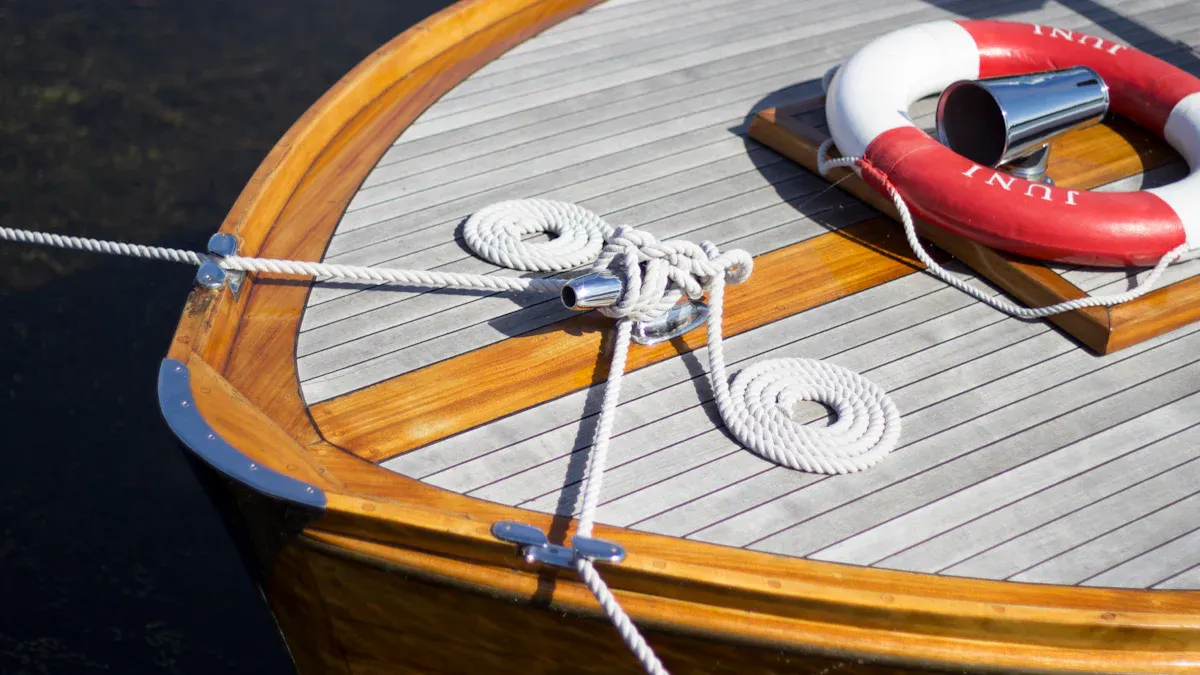
You want your vhf cable to stay safe and work well. Start by planning the path from your vhf antenna to your radio. Pick a route that keeps the cable away from sharp edges and moving parts. You can use a measuring tape to check the distance before you cut anything. Try to keep the cable as straight as possible. Fewer bends mean less signal loss.
Drill a hole just big enough for the cable. Use a grommet to protect the cable from rubbing against the edge. Feed the cable through the hole and pull it gently. If you see any tight spots, stop and adjust the path. Secure the cable every few feet with cable ties or clamps. This keeps it from swinging or getting damaged when your boat moves.
Tip: Leave a little slack near the radio and the vhf antenna. This makes it easier to connect everything and helps if you need to move things later.
Water can ruin your vhf system fast. You need to seal every hole you make. Use marine sealant around the cable where it enters the boat. Smooth the sealant with your finger for a tight finish. Check that no gaps remain. If you use connectors outside, cover them with heat-shrink tubing. A heat gun will shrink the tubing and keep out moisture.
Wrap electrical tape around any exposed connections. This adds another layer of protection. For extra safety, use weatherproof boots on connectors if you have them. Always check your work. If you see any cracks or loose seals, fix them right away.
Note: Good cable routing and sealing keep your vhf working in all weather. You get clear calls and peace of mind.
Now you have finished mounting an antenna and protecting your vhf cable. Your boat is ready for the next step.
You finished installing your vhf antenna. Now you need to make sure everything works before you head out on your boat. These last steps help you catch problems early and keep your vhf system running strong.
Start by checking every cable and connector. Look at the coaxial cable from the antenna to your vhf radio. Make sure each connection feels tight. If you see any loose wires, fix them now. Turn on your vhf radio and listen for static or weak signals. Try a test call on a working channel. If you hear a clear reply, your setup works well.
Use a multimeter to check for good continuity in your cables. Set the meter to measure resistance. Touch the probes to each end of the cable. You want a low reading. High resistance means you need to check for damage or bad connections.
Here’s a quick checklist for testing:
Inspect all cable connections.
Power on your vhf radio.
Make a test call.
Listen for clear sound.
Use a multimeter to check cables.
Tip: If you get poor sound or no reply, check your cable routing and connectors again.
Safety matters every time you use your vhf system. Look at the mount and hardware. Make sure the antenna stands straight and does not wobble. Check for rust or loose bolts. Tighten anything that feels loose. Look at the sealant around the base and cable entry. You want no cracks or gaps.
Check that your cables stay away from sharp edges and moving parts. Use cable ties if needed. Make sure your grounding wire connects to a solid metal part. This helps your vhf work better and keeps you safe.
Here’s a table for your safety inspection:
Item | What to Check |
|---|---|
Mount & Hardware | Tightness, rust, movement |
Sealant | Cracks, gaps, leaks |
Cable Routing | Sharp edges, loose cables |
Grounding | Secure connection |
️ Always fix problems before you take your boat out. Good checks mean safe trips and clear vhf calls.
You did it! You learned how to install a VHF antenna on your boat. Here’s a quick recap:
Pick the right antenna and mount.
Secure everything with strong hardware.
Route and seal your cables.
Test your connections before you go.
Always double-check your work. If you feel unsure, ask a pro for help. A solid VHF setup keeps you safe and connected every time you hit the water.
You want your VHF antenna as high as possible. The higher you mount it, the farther your signal travels. Try placing it on the mast or cabin roof for the best range.
No, you should use marine-grade coaxial cables like RG-58 or RG-8X. These cables resist water and last longer. Regular cables can fail quickly in harsh marine conditions.
Yes, grounding helps your antenna work better and keeps you safe. Attach a grounding wire to a metal part of your boat. Always check your radio manual for specific instructions.
First, check all cable connections. Make sure everything is tight and sealed. Look for damaged cables or loose hardware. If you still hear static, test your radio on another channel.
Absolutely! You can install a VHF antenna with basic tools and clear instructions. Take your time, follow each step, and double-check your work. If you feel unsure, ask a professional for help.


 External GPS Antenna
  Ceramic antenna
  Internal GPS Antenna
  Surveying Antenna
 Magnet Antenna
  Patch Antenna
  Rubber Antenna
  Screw Antenna
  Spring Antenna
  Other Indoor Coverage Antenna&outdoor Wlan Antenna
 2.4G Antenna
  5.8G Antenna

 Outdoor Yagi TV Antenna


 Ceiling mount antenna
  Wall mount panel antenna
 Fiberglass Antenna
  Panel Antenna
  Parabolic Antenna
  Yagi Antenna


