

Views: 0 Author: Site Editor Publish Time: 2026-01-15 Origin: Site


To pick the right vhf antenna, you need to pay attention to height, gain, mounting, cable quality, and durability. Each detail helps you stay safe and get reliable communications out on the water. The right antenna boosts your range and keeps your calls clear. You should think about your boat, how you use it, and the weather where you sail. These choices give you peace of mind every trip.
Pick a taller VHF antenna for a better signal range. Height helps you avoid things in the way. It also makes talking easier.
Choose the right gain for your boat size. Small boats need lower gain for wider coverage. Big boats need higher gain for longer communication.
Put the antenna in a clear spot. Stay away from metal and electronics. This keeps your signal strong.
Use good cables to connect your antenna. Good cables stop signal loss. They help your antenna work better.
Choose strong materials like fiberglass or stainless steel. These last long in tough marine weather. They keep your antenna working well.
When you pick a vhf antenna for your boat, height is one of the first things you should check. The higher the antenna, the greater the radio range you get. Why does this matter? VHF signals travel in straight lines, so obstacles like hills or other boats can block them. If you want maximum range and durability, you need to place your antenna as high as possible. Increased height equals increased range. You will notice better signal strength and good reception when your antenna sits above deck with a clear unobstructed path. Zhengzhou LEHENG offers vhf antennas in different heights, so you can find one that fits your boat and needs.
Gain tells you how well your antenna can focus energy in a certain direction. A higher gain means your vhf radio antenna can send and receive signals farther, but it also narrows the coverage area. For small boats, you might want a lower gain for wider coverage. For bigger boats, a higher gain helps you reach distant stations. Most vhf antennas have gains between 2 and 8 dBi. Zhengzhou LEHENG provides antennas with various gains and connectors, so you can match your antenna to your boat size and usage. Always check the frequency range and input impedance to make sure your antenna works with your radio.
Choosing the ideal mounting location is key for performance. You want to mount your vhf uhf antenna where it has a clear view of the horizon. Avoid placing it near metal objects or other electronics, because these can block the signal. If you mount your antenna on the highest point of your boat, you get better signal and range. Zhengzhou LEHENG designs antennas for easy installation, so you can find one that fits your boat’s layout.
Tip: Always check for a clear unobstructed path when mounting the vhf uhf antenna. This helps you get the best signal and range.
The cable that connects your vhf antenna to your radio matters more than you think. Poor cable quality can weaken your signal before it even reaches the radio. You should look for cables with low loss and strong shielding. This keeps your signal strong and helps you get good reception. Zhengzhou LEHENG offers antennas with high-quality cables and connectors, so you don’t have to worry about losing signal strength.
Cable Type | Signal Loss | Best Use Case |
|---|---|---|
RG-58 | Medium | Short cable runs |
RG-8X | Low | Longer cable runs |
LMR-400 | Very Low | Maximum performance |
Durability is important for any vhf antenna you use on a boat. Saltwater, sun, and wind can damage antennas over time. You want an antenna made from strong materials like fiberglass or stainless steel. This helps your antenna last longer and keeps your signal clear. Zhengzhou LEHENG builds antennas to handle tough marine conditions, so you can trust their products for long trips and rough weather.
Note: Always choose a proper vhf marine radio antenna that can handle your local weather and boating conditions. This keeps your communication safe and reliable.
If you want the best performance, look for antennas with vertical polarization and a VSWR rating of 1.5 or less. Zhengzhou LEHENG offers a wide range of vhf antennas with these features, so you can find the right one for your boat.
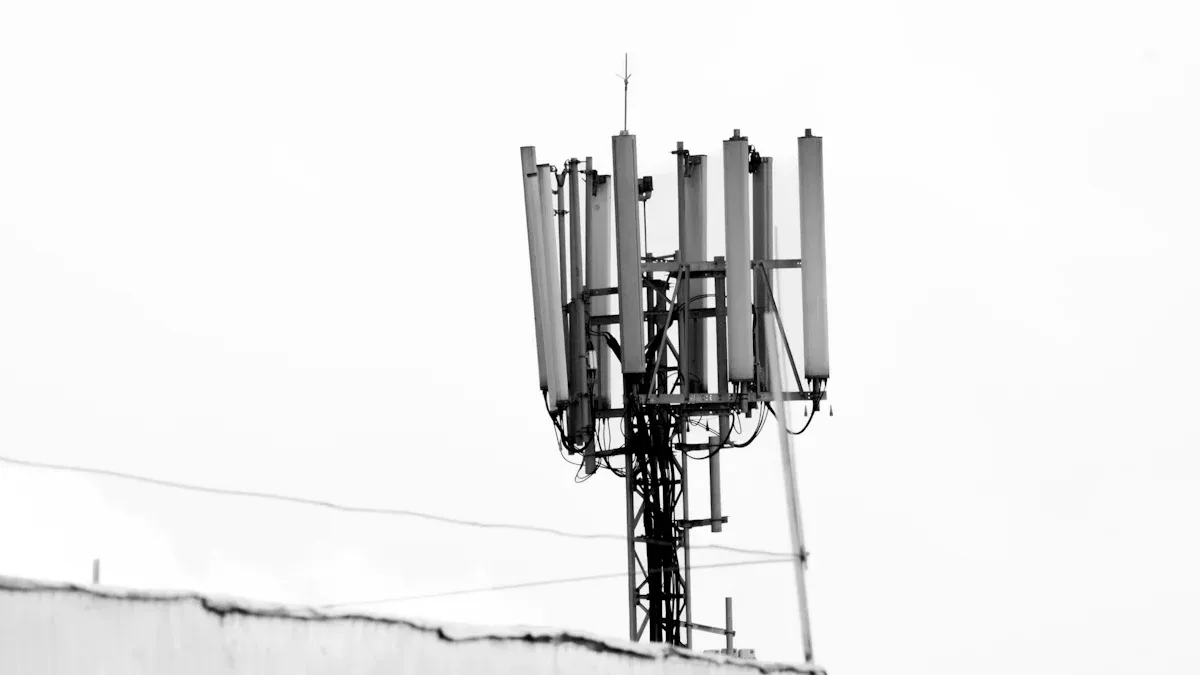
Whip antennas are common on small boats. They have a bendy metal rod that points up. These antennas use vertical polarization and have about 2 to 3 dBi gain. Whip antennas are simple and can handle bumps and shaking. They are light and easy to put on your boat. You get good signal for short or medium trips. If you want something easy for fishing or day trips, this type works well.
Fiberglass antennas have a tough shell that keeps the metal safe. You see these on sailboats and bigger powerboats. They come in many sizes and gains, from 3 to 8 dBi. Fiberglass antennas can handle bad weather and saltwater. They last a long time and are strong. These antennas also use vertical polarization. If you need a vhf uhf antenna for hard weather, fiberglass is a good choice. Zhengzhou LEHENG has many fiberglass antennas for all boat sizes.
Stainless steel antennas are strong and last a long time. You can use them on work boats or in rough places. They do not rust or break from sea water. Most stainless steel antennas have 2 to 6 dBi gain and use vertical polarization. You get a tough antenna that keeps your signal clear. If you want an antenna that can take a lot, stainless steel is a smart pick.
Directional antennas send the signal in one way. You use these if you need to talk to a far place or a certain spot. They often have higher gain, up to 14 dBi. These antennas are best for talking far away. You see them on research boats or special setups. Directional antennas can be harder to put on, but they work well when you need strong signal. Zhengzhou LEHENG has many directional antennas for special needs.
Tip: Always pick the antenna type that fits your boat and how you use it. Zhengzhou LEHENG has choices for every need.
Start by thinking about how you use your boat. Do you go fishing close to shore, or do you travel far out into open water? Your habits help you decide what kind of vhf antenna you need. If you want to talk to marinas or other boats nearby, you can use a basic vhf radio antenna. If you need to reach distant stations, you should look for an antenna with higher gain and more height. Ask yourself these questions:
How far do you usually travel?
Do you need to talk to rescue teams or just other boaters?
What kind of weather do you face?
Your answers will help you select the right antenna for your needs.
Every boat is different. You need to match the antenna features to your boat’s size and style. If you have a small fishing boat, you might want a shorter antenna with lower gain. This gives you wide coverage and easy installation. For larger boats, a taller antenna with higher gain helps you get better range and performance. Look for antennas that fit your mounting options and don’t block your view.
Here’s a quick table to help you match antenna features to your boat:
Boat Type | Recommended Antenna Height | Gain Range (dBi) | Best Use Case |
|---|---|---|---|
Small (under 20ft) | 3-4 feet | 2-3 | Day trips, near shore |
Medium (20-35ft) | 4-8 feet | 3-6 | Coastal cruising |
Large (over 35ft) | 8+ feet | 6-8 | Offshore, long range |
Tip: Always check the mounting location before you buy. Make sure the antenna fits and has a clear path to the horizon.
You want your antenna to work at its best. Place it as high as you can on your boat. Keep it away from metal objects and other electronics. Use high-quality cables to connect your antenna to the radio. This keeps your signal strong and reduces loss. If you install the antenna yourself, follow the instructions from the manufacturer. Zhengzhou LEHENG makes antennas that are easy to install and come with clear guides.
Here are some quick installation steps:
Pick the highest spot on your boat.
Make sure the antenna stands straight up.
Use the right cable type for your setup.
Check all connections for tightness.
Test your radio after installation.
Note: If you want the best vhf uhf antenna performance, always use cables with low signal loss and strong shielding.
You want a vhf antenna that fits your budget, but you also need reliability and durability. Don’t just pick the cheapest option. Look for antennas with ISO certification, like those from Zhengzhou LEHENG. These antennas meet strict quality standards and last longer in tough marine conditions. A good antenna gives you clear communication and peace of mind.
Ask yourself:
Does the antenna have a strong warranty?
Is it made from materials that resist saltwater and sun?
Does the brand have a good reputation?
If you answer yes, you’re on the right track. You get better value and safer trips.
Tip: Reliable brands like Zhengzhou LEHENG offer antennas with proven durability and performance. You can trust their products for every journey.
You might think any antenna will work for your boat, but height and gain matter a lot. If you pick an antenna that is too short, your signal will not reach far. If you choose one with too much gain, you could miss signals from nearby boats. Always match the height and gain to your boat size and how you use it. This helps you get the best vhf uhf antenna for your needs.
Tip: Check your boat’s layout before you buy. The right height and gain improve your communication and safety.
Mounting your antenna in the wrong spot can hurt your signal. If you put it near metal objects or low on the boat, you lose range. You should place the antenna as high as possible and away from other electronics. This gives you a clear path for your signal.
Here’s a quick table to help you avoid poor mounting:
Mounting Location | Signal Quality | Recommendation |
|---|---|---|
Top of mast | Excellent | Best choice |
Near metal railing | Poor | Avoid |
Beside GPS unit | Fair | Not recommended |
You might forget about the cable, but it affects your antenna’s performance. Long or low-quality cables weaken your signal. Always use cables with low loss and strong shielding. Shorter cables work better for most setups.
Note: Test your radio after installing the cable. If you notice weak signals, check for cable loss.
Some boat owners pick antennas that look good but do not last. Saltwater, sun, and wind can damage weak antennas. You need one built for tough marine conditions. Durable materials like fiberglass or stainless steel keep your antenna working longer.
Remember: A strong antenna means better performance and fewer problems on the water.
Before you buy, ask yourself a few simple questions. These will help you pick the right antenna for your boat and your needs.
Where do you plan to use your boat most often? (Open sea, lakes, or rivers)
How far do you want your radio signal to reach?
What size is your boat?
Do you need a strong antenna for rough weather?
Can you mount the antenna high and away from metal objects?
Do you want an antenna that is easy to install?
Is the cable long enough for your setup?
Does the brand offer ISO certification or a good warranty?
Tip: Write down your answers. This makes it easier to compare products and talk to suppliers.
You can use this table to quickly compare the main features of different VHF antennas. It helps you see what fits your boat best.
Feature | Small Boat | Medium Boat | Large Boat |
|---|---|---|---|
Antenna Height | 3-4 feet | 4-8 feet | 8+ feet |
Gain (dBi) | 2-3 | 3-6 | 6-8 |
Mounting Location | Rail/Deck | Mast/Deck | Mast/Top Deck |
Durability | Good | Better | Best |
Cable Length | Short | Medium | Long |
Best Use | Near shore | Coastal trips | Offshore |
You can use this checklist and table to make a smart choice. The right antenna gives you clear calls and peace of mind on the water.
You want the best experience on your boat, so remember these key points when picking an antenna:
Check the height for better range.
Choose the right gain for your needs.
Find a good mounting spot.
Use quality cables.
Pick durable materials.
Tip: Use the checklist to avoid mistakes. Trusted brands like Zhengzhou LEHENG help you stay safe and connected.
VHF stands for Very High Frequency. You use VHF radios to talk to other boats, marinas, or rescue teams. These radios work best with the right antenna.
You want your antenna as high as possible. Taller antennas help your signal reach farther. If you have a small boat, three to four feet works well.
Yes, you can! Just follow the instructions from the manufacturer. Make sure you mount the antenna high and keep it away from metal objects.
Gain shows how well your antenna sends and receives signals. Higher gain means longer range, but less coverage nearby. Pick the gain that matches your boating needs.
Zhengzhou LEHENG offers strong, reliable antennas. You get products with ISO certification and great durability. Their antennas work well in tough marine conditions.


 External GPS Antenna
  Ceramic antenna
  Internal GPS Antenna
  Surveying Antenna
 Magnet Antenna
  Patch Antenna
  Rubber Antenna
  Screw Antenna
  Spring Antenna
  Other Indoor Coverage Antenna&outdoor Wlan Antenna
 2.4G Antenna
  5.8G Antenna

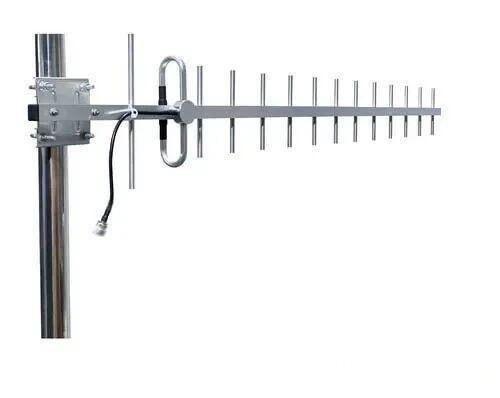 Outdoor Yagi TV Antenna


 Ceiling mount antenna
  Wall mount panel antenna
 Fiberglass Antenna
  Panel Antenna
  Parabolic Antenna
  Yagi Antenna


