

Views: 0 Author: Site Editor Publish Time: 2026-08-15 Origin: Site


A VHF radio is an essential communication tool on boats, but having a radio that powers on normally does not always mean the antenna system is working properly. Weak reception, short transmission range, intermittent communication, or unclear audio can all indicate a problem somewhere between the radio and the antenna. In marine environments, common issues such as corroded connectors, damaged coaxial cables, water intrusion, poor antenna installation, and antenna damage.
Before replacing the radio, check the antenna system first to determine whether the problem can be repaired or the antenna needs to be replaced. This guide covers common VHF radio antenna problems, troubleshooting methods, and practical fixes.
A VHF radio antenna problem may show up in several ways:
· Short transmission range – You can communicate with nearby boats, but communication becomes difficult or impossible as the distance increases.
· Weak or intermittent reception – Distant stations sound weak, signals fade in and out, or reception is suddenly lost.
· Unclear or distorted audio – Other stations report that your voice is weak, noisy, distorted, or difficult to understand.
· High SWR – The SWR reading is higher than the normal range during transmission.
· Communication works inconsistently – The radio works normally at some times but performs poorly at others, especially after rain or exposure to seawater.
· No transmission at all – The radio powers on normally, but other stations cannot hear your transmission when you press the PTT button.
While marine and land-mobile VHF antennas are built to withstand tough environments, they are still vulnerable to wear, damage, and installation errors. Understanding the root cause of your antenna failure is the first step toward restoring reliable communication.
Here are the most common causes of VHF radio antenna problems:
· Connector Oxidation: Water entering the PL-259 connector can cause rapid oxidation, leading to signal attenuation, poor transmission performance, or complete signal loss.
· Coaxial Cable Degradation: If the outer jacket of the coaxial cable is cracked, water can penetrate into the braided shield through a process known as "wicking," damaging the cable structure and affecting its impedance.
· Impact and Vibration: Striking low-hanging branches, bridges, or experiencing continuous engine vibration can damage the fiberglass whip, loosen internal solder connections, or reduce overall antenna performance.
· UV Degradation: Prolonged sunlight exposure can break down protective fiberglass coatings, causing surface damage and allowing moisture to penetrate the antenna's internal components.
· Poor Connector Craftsmanship: Improperly assembled PL-259 or BNC connectors, such as cold solder joints or internal wiring shorts, can cause signal loss, high SWR, and poor transmission performance.
· Pinched or Kinked Coaxial Cable: Bending coaxial cable beyond its recommended minimum bend radius can damage the dielectric insulator, affecting the cable's standard 50-ohm impedance and causing signal attenuation.
· Incorrect Whip Length: An antenna whip that is untuned or improperly trimmed for the target VHF frequency range (156–162 MHz), which can increase SWR and reduce antenna performance.
· Incompatible Components: Using cables, adapters, or connectors that do not match the standard 50-ohm system impedance, which can create impedance mismatch, increase SWR, and cause signal loss.
· Lack of Ground Plane: Many VHF antennas require a metal surface (ground plane) to radiate properly. Mounting a non-ground-plane independent antenna on fiberglass or wood without proper grounding can distort the radiation pattern and reduce antenna efficiency.
· Signal Obstruction: Placing the antenna too close to metal masts, radar domes, or other antennas can create signal interference and radiation blind spots, affecting overall communication performance.
Instead of guessing, use this practical guide to diagnose specific system failures and apply the correct fix step-by-step:
· Symptoms & Diagnosis:
Unscrew the PL-259 or BNC connectors at both the radio and antenna base. Look for green or white oxidation, water droplets inside the collar, or a center pin that is loose or slips backward.
(Tip: If you have a multimeter, measure resistance between the center pin and outer shell. Any reading below infinity indicates moisture-induced shorting.)
How to Repair:
o Light Surface Oxidation: Spray electrical contact cleaner directly onto the pin and threads, scrub gently with a soft wire brush, and let it dry completely.
o Severe Corrosion or Loose Pin: Cut off the damaged 2 inches (approx. 5 cm) of coaxial cable. Strip the outer jacket (approx. 0.75 inches), fold the braided mesh backward over the jacket, strip the inner dielectric insulation, and solder or crimp a new marine-grade PL-259 connector.
o Prevention: Wrap the finished connector tightly with self-amalgamating silicone tape, stretching it while wrapping to form a watertight vulcanized seal.
· Symptoms & Diagnosis:
Run your hand along the entire cable run to feel for hard kinks, flattened spots (often caused by squeezed hatches or over-tightened zip-ties), or weather-cracked outer jackets.
· Multimeter Test: Disconnect both ends of the cable. Place probes on the radio-end center pin and antenna-end center pin. A reading above 2 Ohms (or no continuity beep) confirms a broken internal conductor.
· No-Tool Swap Method: Temporarily bypass the main cable line with a known-good spare cable or flexible antenna. If signal reception and transmission immediately restore, the main cable line is damaged.
How to Repair:
o Temporary Outer Jacket Patch: For minor outer insulation cracks without braided shield damage, seal the area tightly with waterproof rubber tape.
o Internal Core Failure or Crushing: Do not attempt to cut and splice coaxial cable. Splicing disrupts the standard 50-ohm impedance, causing severe signal reflection. Replace the entire cable run with marine-grade 50-ohm coax (e.g., RG-58U for short runs under 20 ft, or low-loss RG-213 / LMR-240 for longer distances).
· Symptoms & Diagnosis:
Key the PTT (Push-To-Talk) button on an unused channel. If the radio screen shows a dropping TX power bar, flickers, or triggers an antenna warning alarm, power is reflecting back into the radio. Connect an inline VHF SWR meter between the radio and cable:
o 1.0:1 – 1.5:1: Healthy system.
o 1.5:1 – 2.0:1: Acceptable, but indicates slight degradation or tuning misalignment.
o 3.0:1 or higher: Severe fault. Most transmit power is being blocked and reflected back into the radio; avoid prolonged high-power transmissions to prevent triggering thermal overload protection or degrading power amplifier circuitry.
How to Repair:
o Check Operating Frequency Range: Ensure the antenna length is designed or tuned for the standard VHF marine band (156–162 MHz) or aviation band (118–137 MHz).
o Fix Grounding & Mounting: Unscrew the antenna base, sand away rust or paint from the metal mounting surface to restore a solid chassis ground, and re-tighten all mounting hardware.
· Symptoms & Diagnosis:
Physically shake the antenna base to test structural stability. Inspect fiberglass whips for "blooming" (frayed glass fibers), micro-fractures, or permanent physical bends caused by bridge or tree strikes.
How to Repair:
o Loose Mount: Re-tighten base nuts and replace corroded stainless steel lock washers.
o Damaged Fiberglass Whip: When fiberglass cracks, internal radiating elements are usually compromised. Epoxy or tape repairs will not restore RF performance and allow moisture to track down into the cable. The only reliable fix is replacing the antenna whip.
· Symptoms & Diagnosis:
Hardware checks reveal no physical faults (SWR is normal, connectors and cables are intact), yet you experience heavy static or total loss of reception in valleys, dense urban areas, or when the antenna is mounted below surrounding structures or cabin roofs.
How to Repair:
o Increase Mounting Height: This is the single most effective way to boost VHF performance. Relocate the antenna to the masthead, highest roof point, or use an extension pole (raising it just 1–2 meters can extend coverage range significantly).
o Avoid Metal Obstructions: Ensure a clear 360-degree zone (at least 1 meter away) around the antenna with no large metal plates, radar arches, or cabin walls, keeping it vertical and unobscured.
o Change Your Position: If using a handheld VHF radio in poor signal conditions, move directly to higher ground (such as a hilltop, roof, or open deck) before transmitting.

As a general rule, a marine or mobile VHF antenna has an average lifespan of 5 to 8 years. You should replace your antenna completely if you encounter any of the following non-repairable situations:
• Structural Damage to the Fiberglass or Whip
If the fiberglass rod is cracked, splintered, "blooming" (fraying glass fibers), or bent permanently, the internal copper radiating element is likely broken or exposed to moisture. Patching it with epoxy or tape will not restore RF performance and will eventually ruin your coaxial cable.
• SWR Remains High After Cable and Base Repairs
If you have cleaned/replaced the PL-259 connectors, inspected the coax cable, and ensured a solid ground, but your SWR meter still reads 3.0:1 or higher, the internal matching network (the coil inside the antenna base) has failed. Internal component failure cannot be serviced.
• Persistent Water Ingress Inside the Base or Cable
Water is the ultimate enemy of radio frequency (RF) signals. If saltwater has traveled deep into the internal copper braid of an integrated antenna cable (causing black or green rot inside the wire), wiping or drying it won't help. The cable and antenna must be replaced together.
• Upgrading to a Higher-Gain Antenna
You don't always wait for an antenna to break to replace it. If you are frequently struggling with range in open waters or flat terrain, replacing a short 3dB flexible whip with a taller 6dB or 9dB fiberglass antenna will dramatically improve your radio's transmission and reception distance.
For marine, mobile, and other VHF communication applications, AsiaLeren offers a range of VHF antennas designed for reliable signal transmission and reception in different installation environments. You can explore the available options and select a VHF antenna that matches your specific frequency and performance requirements.
Explore AsiaLeren VHF Antennas →
Preventive maintenance is often far cheaper and easier than replacing damaged equipment or dealing with a failed antenna during an emergency. Follow these essential practices to protect your VHF antenna system and maintain reliable communication performance:
• Apply Waterproofing at Every Joint
Never rely solely on threaded metal connectors to keep water out. Wrap all outdoor PL-259, BNC, and adapter connections with self-amalgamating silicone tape, overlapping by 50% while stretching the tape. Cover it with a layer of standard electrical tape to protect against UV degradation.
• Inspect and Clean Connectors Annually
At the start of every season, unscrew all coaxial connectors. Clean away light oxidation using electronic contact cleaner and a soft wire brush. Keep the connector mating surfaces clean and dry, and use appropriate sealing materials to repel moisture and prevent salt buildup around exposed connections.
• Secure and Strain-Relieve Coaxial Cable Runs
Vibration, wind whipping, and repeated hatch slams can damage coaxial cables over time. Support the cable every 18 to 24 inches along its route using UV-resistant cable clamps or zip ties. Always leave a small drip loop (a loose slack bend) right before the cable enters the cabin or radio housing so rainwater drains off instead of running straight into the connector.
• Respect Minimum Bend Radii and Avoid Pinching
Never force coaxial cable into sharp 90-degree corners or pinch it inside hatches, doors, or tight zip ties. Crushing the inner dielectric layer can disrupt the cable's 50-ohm impedance, raising your SWR. Keep bend radii gradual—typically at least 5 to 10 times the cable's diameter.
• Perform Routine SWR Checks
Test your antenna system with an inline VHF SWR meter at least once a year, as well as after any heavy storms or structural work. Catching a rising SWR reading early allows you to fix a failing cable, poor connection, or grounding issue before it degrades your signal or places additional stress on your transmitter.
Beyond collisions or severe storms, subtle everyday habits often ruin an antenna system from the inside out:
Over-tightening Zip-Ties or Sharp Bends: Pulling zip-ties too tight or forcing coax into 90-degree corners just for neat routing crushes the internal dielectric foam. This ruins the 50-ohm impedance and spikes your SWR long before the outer jacket breaks.
Power Washing the Base & Fittings During Car/Boat Washes: Blasting the vehicle or vessel with a high-pressure washer forces water past seals directly into the cable braid and base housing, causing hidden internal oxidation without any visible surface damage.
Tying Flags to the Antenna Whip: Flags create massive drag. This constant pulling places extreme stress on the base ferrule, fracturing internal copper solder joints far faster than normal wind.
Ignorig Minor Damage Long-Term: Running an antenna with small cracks or loose mounts allows moisture to creep deeper into the cable over time, turning a minor fix into a complete system blowout.
Common signs include poor reception, reduced transmission range, intermittent signals, unusually high SWR, visible cracks or corrosion, and damaged coaxial cables or connectors. If these problems remain after checking the cable, connectors, grounding, and antenna mounting, the antenna itself may need to be replaced.
Yes. A damaged antenna, faulty cable, or serious impedance mismatch can cause excessive reflected power and high SWR. Prolonged operation under these conditions can place additional stress on the radio's power amplifier and may eventually cause equipment damage.
Some problems, such as corroded connectors, damaged cable ends, loose mounting hardware, or minor external cable damage, can often be repaired. However, a cracked fiberglass whip, severe internal water damage, or a failed internal matching network usually requires complete antenna replacement.
AsiaLeren offers a range of VHF antennas for different communication environments and installation requirements. Explore our VHF antenna solutions to find an option that fits your system.
Explore AsiaLeren VHF Antennas →


 External GPS Antenna
  Ceramic antenna
  Internal GPS Antenna
  Surveying Antenna
 Magnet Antenna
  Patch Antenna
  Rubber Antenna
  Screw Antenna
  Spring Antenna
  Other Indoor Coverage Antenna&outdoor Wlan Antenna
 2.4G Antenna
  5.8G Antenna

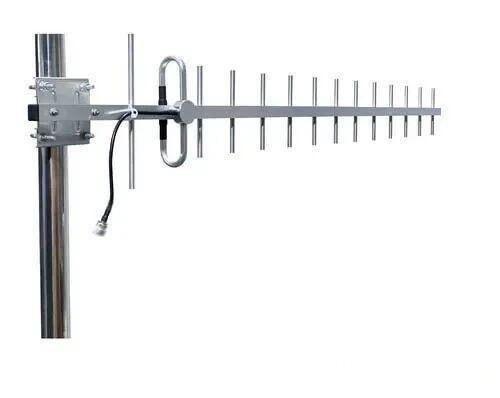 Outdoor Yagi TV Antenna


 Ceiling mount antenna
  Wall mount panel antenna
 Fiberglass Antenna
  Panel Antenna
  Parabolic Antenna
  Yagi Antenna


