

Views: 0 Author: Site Editor Publish Time: 2026-01-05 Origin: Site


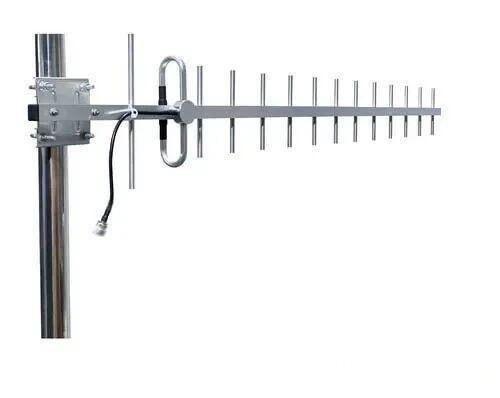
You need the right yagi antenna for what you want. First, know your antenna type and how you will use it. A yagi antenna is good for TV, Wi-Fi, or ham radio. You get better results if you match the yagi to your setup. Look at the frequency and gain for each antenna. These details help you pick the best directional antenna. Many people use a yagi antenna for TV reception. Some people use a yagi antenna to make Wi-Fi better. Compare different yagi models to find the best one for you.
Think about what you need before you buy a Yagi antenna. Decide if you want it for TV, Wi-Fi, or ham radio. This helps you pick the right kind.
Look at the frequency range of the Yagi antenna. Make sure it matches your device’s frequency. This gives you the best performance.
Learn about gain and directionality. Antennas with higher gain can make weak signals stronger. Directionality helps you focus on one signal source.
Compare different models and brands. Check for things like dual-polarization and weatherproofing. This helps you find what works best for your area.
Read user reviews to see what others think. This helps you avoid mistakes and pick a good antenna.
You should think about how you will use your yagi antenna before buying. Each yagi antenna works best for a special job. Some people use a yagi antenna to get TV signals. Other people use a yagi antenna for Wi-Fi or ham radio. You might want a yagi antenna for a weather station or a remote sensor.
Here are some common ways people use a yagi antenna:
TV reception
Wi-Fi signal boost
Ham radio communication
GPS or GNSS systems
Wireless data links
When you know what you need, you can pick the right yagi antenna. For example, a yagi antenna for TV must match the TV signal frequency. A yagi antenna for Wi-Fi should work with your router’s frequency. If you use a yagi antenna for ham radio, you need to check the band you want to use.
Tip: Write down your main reason for getting a yagi antenna. This helps you look for the right features.
Your use case changes what kind of yagi antenna you need. The right yagi antenna gives you better results. If you pick the wrong yagi antenna, your signal may not be strong. Each yagi antenna is made for a certain frequency and gain.
For example, a yagi antenna for outdoor TV must handle weather and have the right mount. A yagi antenna for Wi-Fi should be small and easy to put inside. If you use a yagi antenna for GPS, you need it to be very accurate and have a steady signal.
A table can help you see how your use changes what you need:
Application | Important Feature | Example Need |
|---|---|---|
TV Reception | Frequency range, gain | Clear TV channels |
Wi-Fi | Frequency, size | Strong indoor signal |
Ham Radio | Band compatibility | Long-distance contact |
GPS/GNSS | Precision, stability | Accurate location |
You make a good choice when you match your yagi antenna to what you really need. Always think about where and how you will use the antenna. This step helps you save time and money.

You must check the frequency range before you buy a yagi antenna. Each yagi works best in a certain frequency band. If you want to use your antenna for TV, Wi-Fi, or ham radio, you need to match the frequency range. For example, TV signals often use UHF or VHF bands. Wi-Fi uses 2.4 GHz or 5 GHz. Ham radio uses different bands like 144 MHz or 430 MHz. If you pick the wrong frequency, your antenna will not catch the signal you want.
Manufacturers like Zhengzhou LEHENG offer yagi antennas for many frequency ranges. You can find antennas for 470-862MHz for TV, 690-800MHz for wireless data, and even special bands for GPS or GNSS. Always read the product label and check the frequency range. This step helps you get the right yagi for your signal.
Tip: Write down the frequency you need before you shop for a yagi antenna.
Gain tells you how strong your yagi antenna can make a signal in one direction. A high gain yagi antenna can focus energy and reach farther. You measure gain in dBi. Most yagi antennas have gain from 6 dBi to 18 dBi. If you want to boost a weak signal, you need more gain. If you only need to cover a short distance, you can use less gain.
Directionality means the yagi sends or receives signals in one main direction. This helps block unwanted signals from other directions. You get a clear signal and less noise. High gain yagi antennas, like high gain circular polarized yagi antenna, high gain dual stacked yagi antenna, and high gain quad stacked yagi antenna, give you even more focus and power. These antennas work well for long-distance links or places with lots of interference.
You should always match the gain to your needs. Too much gain can make aiming harder. Too little gain will not help your signal.
Beamwidth shows how wide the main signal path is. A narrow beamwidth means your yagi antenna focuses the signal in a tight line. A wide beamwidth covers more area but with less focus. You pick the beamwidth based on your target. If you want to reach one far spot, use a narrow beamwidth. If you want to cover a wide area, use a wider beamwidth.
The number of elements on your yagi also matters. More elements usually mean more gain and a narrower beamwidth. For example, a yagi with five elements has more gain than a yagi with three elements. Zhengzhou LEHENG offers many yagi antennas with different numbers of elements. You can choose what fits your signal needs.
Here is a simple table to help you:
Number of Elements | Gain (dBi) | Beamwidth (Degrees) | Use Case |
|---|---|---|---|
3 | 6-8 | 60-70 | Short range, wide area |
5 | 9-12 | 40-50 | Medium range, focused |
8+ | 13-18 | 20-30 | Long range, very narrow |
You need to think about the size of your yagi antenna. A bigger antenna often gives you more gain. A small yagi is easier to install but may have less gain. You must check where you want to put the antenna. If you want to use it outside, make sure it can handle wind and rain. If you want to use it inside, pick a smaller yagi.
Mounting options matter too. Some yagi antennas come with brackets for poles or walls. Others need special mounts. Zhengzhou LEHENG makes antennas with strong aluminum alloy bodies. These antennas last a long time and work in many places. Always check the mounting kit before you buy.
Note: A good yagi antenna fits your space and your signal needs. Choose a size and mount that works for you.
When you look for a yagi antenna, check these key factors. You want the right frequency, enough gain, the best beamwidth, and a size that fits. Brands like Zhengzhou LEHENG offer many choices. You can find high gain yagi antenna, high gain circular polarized yagi antenna, high gain dual stacked yagi antenna, and high gain quad stacked yagi antenna for many uses. This helps you get the best signal for your setup.
You need to understand what the numbers and terms mean when you look at a yagi antenna. Each antenna comes with a list of specifications. These specs tell you how the antenna will work in your setup. You will see terms like frequency range, gain, beamwidth, and polarization.
Frequency Range: This shows the band where the yagi antenna works best. If you want to use your antenna for TV, check if the frequency matches your local channels. For Wi-Fi, look for antennas that support 2.4 GHz or 5 GHz.
Gain (dBi): This number tells you how much the yagi antenna can boost a signal. Higher gain means the antenna can send or receive signals farther. You should pick the right gain for your distance.
Beamwidth: This shows how wide the main signal path is. A narrow beamwidth means the yagi focuses the signal in one direction. A wide beamwidth covers more area.
Polarization: Some antennas have dual-polarization. This means the antenna can handle signals in two directions. Dual-polarization yagi antennas work well for data links and special uses.
Tip: Write down the specs you need before you shop. This helps you compare different yagi antennas quickly.
Zhengzhou LEHENG gives you clear specs for each yagi antenna. You can find models with high gain, dual-polarization, and different frequency ranges. This makes it easy to match the antenna to your needs.
Your environment changes how a yagi antenna works. You need to think about where you will put the antenna. Will you use it inside or outside? Do you have trees, buildings, or hills near your home? These things can block or reflect signals.
If you live in a city, you may need a yagi antenna with a narrow beamwidth. This helps you avoid noise from other signals. In the countryside, you may want a high gain yagi antenna to reach far signals. For outdoor use, pick an antenna made from strong materials like aluminum alloy. Zhengzhou LEHENG makes antennas that work well in rain, wind, and sun.
Here is a simple checklist for your environment:
Check for obstacles like walls or trees.
Decide if you need an indoor or outdoor antenna.
Look for weatherproof features if you use the antenna outside.
Choose the right mounting option for your space.
Note: The right yagi antenna for your environment gives you a stronger and clearer signal.
You should match the features of the yagi antenna to your goals. Ask yourself what you want to achieve. Do you want to watch TV without static? Do you need a strong Wi-Fi signal in your garage? Are you trying to talk to other ham radio users far away?
For TV, pick a yagi antenna with the right frequency and enough gain for your area.
For Wi-Fi, choose a yagi antenna that matches your router’s band and fits your space.
For ham radio, select a yagi antenna that covers your favorite band and has the right number of elements.
Zhengzhou LEHENG offers many types of yagi antennas. You can find high gain models for long distances. You can also find dual-polarization antennas for special data needs. If you want a custom solution, look for OEM or ODM options.
A table can help you match features to your goals:
Goal | Best Feature | Example from Zhengzhou LEHENG |
|---|---|---|
Clear TV reception | 470-862MHz, 9-13dBi gain | Outdoor TV yagi antenna |
Long Wi-Fi link | 12dBi, dual-polarization | High-gain dual-polarization yagi |
Ham radio contacts | Band-specific, high gain | Custom band yagi antenna |
GPS/GNSS accuracy | Precision, stability | High precision yagi antenna |
Remember: The best yagi antenna is the one that fits your real needs. Do not pick an antenna just because it looks powerful. Match the specs and features to your goal for the best results.
You need to make sure your yagi antenna matches your device and your signal needs. Many people buy a yagi antenna that does not work with their TV, Wi-Fi router, or radio. Always check the frequency range of the antenna. If you use the wrong frequency, your yagi will not pick up the signal. For example, a yagi antenna for TV reception will not work for Wi-Fi. You should also check the connector type. Some antennas use different plugs. If you do not match the connector, you cannot attach the antenna to your device.
Tip: Write down your device model and the signal you want before you buy a yagi antenna.
Proper installation helps your yagi antenna work well. Many people point the antenna in the wrong direction. You should always aim the yagi at the signal source. If you install the antenna too close to walls or metal, you may block the signal. Use a sturdy mount to keep the antenna steady. Outdoor antennas need weatherproof mounts. If you skip these steps, your yagi will not give you good reception.
A simple checklist for installation:
Point the yagi antenna at the signal source.
Keep the antenna away from large metal objects.
Use the right mount for your location.
Check all cable connections.
Some people think a yagi antenna can reach any distance. Every antenna has a limit. High gain helps, but trees, buildings, and hills can block signals. You should check the real distance between your antenna and the signal source. If you need long-range reception, pick a yagi with higher gain and more elements. Remember, even the best yagi cannot overcome every obstacle.
Gain (dBi) | Typical Range (km) | Best Use |
|---|---|---|
6-8 | 1-3 | Short range |
9-12 | 3-8 | Medium range |
13-18 | 8-15 | Long range |
You may see ads that promise a yagi antenna will solve all your signal problems. Some brands use big numbers or fancy words. Do not trust every claim. Always read real reviews and check the specs. Look for details like frequency, gain, and build quality. Brands like Zhengzhou LEHENG give you clear information about each antenna. You should focus on facts, not just marketing.
Note: A good yagi antenna matches your needs. Do not buy just because of hype. Check the specs and reviews before you decide.
You should always compare different yagi antenna models before you buy. Look at the features, frequency range, and gain for each yagi. Some brands offer better quality and more options. Zhengzhou LEHENG stands out as an ISO-certified manufacturer. This means you get a reliable antenna that meets high standards. You can also find yagi antennas for many uses, such as TV, Wi-Fi, and ham radio. Make a list of your top choices and compare them side by side.
Brand | Frequency Range | Gain (dBi) | Special Features |
|---|---|---|---|
Zhengzhou LEHENG | 470-862MHz | 9-13 | Dual-polarization |
Other Brand A | 700-800MHz | 10 | Weatherproof |
Other Brand B | 2.4GHz | 12 | Compact design |
You can learn a lot from other people’s experiences. Read reviews from real users who have tried the yagi antenna you want. Look for comments about signal strength, ease of installation, and durability. Reviews help you spot problems or find the best features. You can also ask questions in online forums or watch video guides. This step makes choosing the right antenna much easier.
Tip: Trust reviews from people who use the antenna for the same purpose as you.
You need to make sure your yagi antenna works with your device. Check the frequency range and connector type. Some antennas fit only certain TVs or routers. If you use the wrong antenna, you will not get a good signal. Always read the product details before you buy. High-quality cables also help your yagi work better. You can ask the seller if they offer OEM or ODM options for special needs.
Choosing the right antenna takes a little time, but it is worth it. Write down your needs and compare your options. Pick a yagi antenna that matches your frequency, gain, and space. Choose a brand with a good reputation, like Zhengzhou LEHENG. Look for ISO certification for extra peace of mind. When you follow these steps, you can feel sure about your decision.
Remember: The best yagi antenna is the one that fits your needs and works well with your setup. Take your time and make a smart choice.
You now know the key steps for choosing a yagi antenna. Use this checklist before you buy:
Write down your needs for the yagi antenna.
Check the frequency and gain for each antenna.
Compare yagi models and brands.
Read reviews about the antenna.
Make sure the yagi antenna fits your device.
A good yagi antenna gives you strong signals and clear results. Pick the right antenna and buy with confidence!
You get strong directionality with a Yagi antenna. This means you can focus on one signal and block out noise from other directions. You see better performance for TV, Wi-Fi, or radio.
Check your device or service manual. Write down the frequency band it uses. Match this number to the antenna’s frequency range. For example:
Device Type | Common Frequency |
|---|---|
TV | 470-862 MHz |
Wi-Fi | 2.4/5 GHz |
Yes, you can use a Yagi antenna indoors. Place it near a window for best results. Avoid walls or metal objects. You get better signals when you aim the antenna at the source.
Most Yagi antennas come with mounting kits. You may need a screwdriver or wrench. Read the instructions before you start. You can ask for help if you feel unsure.


 External GPS Antenna
  Ceramic antenna
  Internal GPS Antenna
  Surveying Antenna
 Magnet Antenna
  Patch Antenna
  Rubber Antenna
  Screw Antenna
  Spring Antenna
  Other Indoor Coverage Antenna&outdoor Wlan Antenna
 2.4G Antenna
  5.8G Antenna


 Ceiling mount antenna
  Wall mount panel antenna
 Fiberglass Antenna
  Panel Antenna
  Parabolic Antenna
  Yagi Antenna


