

Views: 0 Author: Site Editor Publish Time: 2026-01-27 Origin: Site


Proper GPS antenna installation ensures reliable signal reception for applications like surveying, agriculture, and vehicle tracking. Following best practices maximizes accuracy and minimizes interference.
GPS antennas rely on clear satellite signals from constellations like GPS, GLONASS, Galileo, and BeiDou for high-precision positioning. Poor placement leads to weak signals, multipath errors, or complete signal loss, especially in challenging environments. High-quality antennas with features like multi-feed points, high gain, and circular polarization perform best when installed correctly.
Optimal setup supports advanced techniques such as RTK and DGPS, delivering centimeter-level accuracy for industries including precision agriculture and construction.
Choose antennas designed for multi-GNSS support with high gain and stable phase centers to handle low-elevation signals. Look for waterproof, UV-proof radomes for outdoor durability and wide beam patterns for signal acquisition in obstructed areas.
rom Chinese manufacturers like those partnering with Asialeren, high-precision GNSS antennas offer cost-effective solutions with multi-feed designs that align phase and geometrical centers, reducing errors.
Prioritize active antennas for longer cable runs and passive ones for short distances under 10 feet to preserve signal strength.
Mount the antenna on a horizontal surface facing skyward, parallel to the geographic horizon for patch antennas. Position it at the highest point possible, like rooftops or vehicle roofs, to ensure a full 360-degree sky view.
Elevate at least 2-3 meters above ground or obstructions to minimize multipath reflections from buildings or trees. In vehicles or machinery, center it away from the engine or metal parts.
Avoid indoor spots or near windows unless specified; outdoor exposure is best for over 10 satellites with 40+ dB strength.
The antenna needs unobstructed views of the sky to connect with multiple satellites. Steer clear of tall structures, trees, or equipment that block signals.
In industrial settings, elevate on poles or platforms and use ground planes like metal plates (minimum 60mm radius) to enhance directivity and reduce interference.
Test for multipath by monitoring signal quality; reflections cause position jumps, so prioritize open areas.
Keep antennas distant from electromagnetic sources like motors, radios, high-frequency machinery, or power lines. Maintain separation from other electronics to prevent RF noise.
For dual-antenna setups, space them at least 2 meters apart on the same stable surface, ensuring both have sky views.
Industrial RF noise is common; conduct site surveys and relocate if signals drop below optimal levels.
Use low-loss coaxial cables like RG-142 (up to 10 feet for passive antennas) or RG-58 (up to 6 feet) to minimize signal attenuation. Shorter cables preserve strength for maximum reception.
Route cables away from power lines or sharp bends; secure them to avoid strain. Weatherproof connections with sealants like Coax Seal for longevity.
Match cable impedance (typically 50 ohms) to the antenna and receiver specs.

Follow these steps for secure, effective setup:
Site Survey: Identify a high, open location with minimal obstructions. Use apps or meters to check satellite visibility.
Prepare Ground Plane: Install a flat metal plate under the antenna base (25-50mm separation for some models) for better performance.
Mount Securely: Use tripods, magnetic mounts, or bolts on stable surfaces. Ensure horizontal orientation and vibration resistance.
Connect Cable: Attach low-loss coax, keeping runs short. Seal connectors against moisture.
Ground and Protect: Add protective boxes for receivers; apply UV-proof covers if needed.
Power On: Connect to GNSS receiver and verify alignment.
Post-installation, monitor metrics: Aim for 10+ satellites, 40-50 dB strength, and low noise. Tools like receiver software or signal meters help diagnose issues.
Walk-test around the site to spot weak zones; adjust height or position if needed. Recalibrate for RTK baselines.
Regular checks prevent degradation from wear or new obstructions.
Inspect quarterly for loose mounts, cable damage, or dirt buildup. Clean radomes gently and reseal connections.
In harsh environments, verify waterproofing and replace UV-damaged parts. Log signal data to track long-term performance.
Firmware updates on receivers can boost compatibility with new satellites.
High-precision GNSS antennas excel in surveying, Anti jamming antennas, agriculture, and construction, where RTK delivers real-time accuracy. Proper installation ensures reliable data for digital mapping and autonomous operations.
Vehicle tracking benefits from rooftop mounts, avoiding cabin interference for logistics fleets.
For superior performance, source high-precision GPS/GNSS antennas from trusted Chinese manufacturers via Asialeren.com. Our multi-GNSS models feature high gain, circular polarization, and robust radomes ideal for demanding fieldwork.
Ready to optimize your setup? Contact Asialeren for wholesale pricing on GNSS antennas direct from China suppliers. Email for custom solutions today!
What makes GPS antenna placement critical for signal strength?
Unobstructed sky views to 10-15° above horizon capture more satellites, boosting accuracy from meters to centimeters. Rooftop mounts with ground planes add 3-5 dB gain via reflection.
How do I select the best mounting location?
Choose elevated, flat metallic surfaces away from buildings or trees. For vehicles, cab roofs work best; avoid edges to prevent multipath from nearby structures.
What cable type is recommended for GPS installations?
LMR-400 or equivalent low-loss coax (<0.2 dB/m at 1575 MHz) with TNC/SMA connectors. Keep runs under 30m and minimum bend radius 10x diameter.
Why is grounding essential for GPS antennas?
Surge protectors at entry points guard against lightning—common in Chattogram's 200+ thunderstorm days. Separate GPS ground from receiver to eliminate noise.
How can I avoid common interference sources?
Keep 1-2m from power lines, Wi-Fi, or motors. Use spectrum tools like u-blox u-center to detect jammers; aim for SNR >45 dB-Hz.
What are signs of poor GPS antenna installation?
Fewer than 12 satellites, HDOP >1.0, or RTK float mode indicate issues. Check sky plot apps first.
Do Asialeren GNSS antennas need special setup?
Align phase center vertically for RTK; their multi-band L1/L2 models with circular polarization excel in low-elevation tracking. IP67 seals suit harsh environments.
How often should I test GPS antenna performance?
Monthly: Verify NMEA fix, cable continuity (<1Ω), and VSWR <1.5:1. Post-monsoon inspections prevent moisture failures.
Can I install GPS antennas on Anti jamming antennas or vehicles?
Yes—central fuselage for Anti jamming antennas, roof centers for vehicles. Add vibration dampers; helical types reject horizon multipath better.


 External GPS Antenna
  Ceramic antenna
  Internal GPS Antenna
  Surveying Antenna
 Magnet Antenna
  Patch Antenna
  Rubber Antenna
  Screw Antenna
  Spring Antenna
  Other Indoor Coverage Antenna&outdoor Wlan Antenna
 2.4G Antenna
  5.8G Antenna

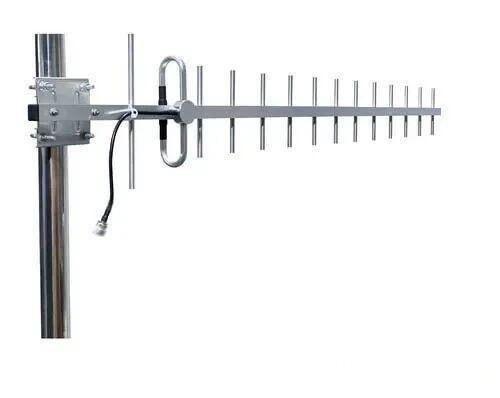 Outdoor Yagi TV Antenna


 Ceiling mount antenna
  Wall mount panel antenna
 Fiberglass Antenna
  Panel Antenna
  Parabolic Antenna
  Yagi Antenna


