

Views: 0 Author: Site Editor Publish Time: 2026-01-28 Origin: Site


5G antennas promise ultra-fast speeds and low latency, but users often face issues like weak signals and interference. This blog explores the most common problems with practical fixes, highlighting reliable combo solutions from manufacturers like AsiaLeren in China.
Weak 5G signals stem from high-frequency path loss, especially in mmWave bands, and obstacles like buildings or terrain. External factors such as distance from cell towers exacerbate this, leading to poor RSRP readings below -100 dBm. In urban areas, inconsistent coverage creates dead zones from signal-blocking structures.
To fix, mount antennas high with line-of-sight to towers, using apps like Network Cell Info for testing. Opt for high-gain omnidirectional combo antennas covering 600-6000MHz, which boost range in rural or urban settings. AsiaLeren's 5G 4G 3G models with 5-10 dBi gain extend signals effectively; replace low-loss cables like LMR-400 if attenuation occurs.
5G's massive MIMO increases signal complexity, causing interference from nearby noise sources or poor antenna placement. In devices, antennas too close to metal or electronics degrade SINR, dropping throughput. Environmental factors like weather or other networks add passive intermodulation (PIM).
Solutions include separating antennas from metal objects and using directional panel designs for focused beams. Check router metrics (RSRP, RSRQ, SINR) and retighten SMA connectors to cut intermittent noise. Multi-band cellular antennas from AsiaLeren minimize interference with low VSWR and IP67 weatherproofing for outdoor use.
Common errors involve wrong antenna type, like using narrow-band instead of wideband for 5G's sub-6GHz and mmWave. Poor cable routing, loose connectors, or indoor placement near obstacles block signals. Vehicle or IoT installs fail if not elevated or clear of obstructions.
Fix by selecting MIMO combo antennas for doubled throughput and backward compatibility. Secure magnetic or bracket mounts high outdoors, avoid cable strain, and use SMA/TS-9 adapters for routers. AsiaLeren's omni combos (600-6000MHz) suit vehicles and IoT; test post-install with signal apps.
MIMO antennasunderperform if ports mismatch or cables swap, halving speeds in 5G setups. Link imbalance from weak uplinks affects downlinks, especially in SA mode. PCB designs suffer if ground planes are undersized or traces bend sharply.
Troubleshoot by verifying dual ports on MIMO models and matching cable lengths. Use low-profile AsiaLeren panel MIMO (9-12 dBi, 698-5000MHz) for optimal pairing with Huawei/ZTE routers. Align antennas toward towers and monitor CQI changes during tweaks.
Outdoor antennas face rain, snow, or impacts degrading performance, with non-IP67 ratings failing fast. Cables fray or connectors corrode, spiking VSWR. High winds add load to mounts.
Choose weatherproof builds like AsiaLeren's IP67 combos for harsh sites. Inspect for damage, replace LMR-400 cables yearly, and use pole/wall mounts securely. For vehicles, magnetic bases endure motion; test in varied conditions.
4G antennas don't fully support 5G's bands or MIMO, causing drops. Legacy devices roam poorly without multi-band coverage. Global frequencies mismatch for travel.
Deploy combo 3G/4G/5G antennas spanning 600-6000MHz for seamless switching. AsiaLeren's models ensure backward compatibility and roaming, ideal for M2M/IoT. Verify SMA/N-female connectors match your modem.
Start with router diagnostics for RSRP/RSRQ/SINR values. Measure reflections with cable testers if counters flag issues. Compare internal vs. external performance.
Problem Indicator | Likely Cause | Quick Check |
RSRP < -100 dBm | Distance/obstacles | Tower direction app |
Low SINR | Interference | Noise source scan |
High VSWR | Cable damage | Connector tighten |
No MIMO gain | Port mismatch | Cable swap test |
Follow with repositioning or upgrades.
As a leading Chinese manufacturer, AsiaLeren supplies high-gain, multi-band 5G 4G 3G antennasfor routers, vehicles, and IoT. Features like 5-12 dBi gain, SMA connectors, and full 600-6000MHz coverage solve most issues reliably.
Model | Frequency (MHz) | Gain (dBi) | Key Fix |
Omni Combo | 600-6000 | 5-8 | Weak signals |
Panel MIMO | 698-2700/3300-5000 | 9-12 | MIMO/interference |
Ceiling Mount | 600-6000 | 4-7 | Indoor coverage |
These reduce dead zones and boost enterprise networks.
Struggling with 5G? Upgrade to AsiaLeren's proven combo antennas today. Contact us for a custom quote and tailored advice from our China factory.Visit now!
What causes weak 5G signals?
Weak signals often result from high-frequency path loss, distant towers, or obstacles like buildings. Fix by elevating high-gain combo antennas (5-10 dBi) outdoors with line-of-sight.
How do I fix 5G interference?
Interference comes from metal nearby, noise sources, or poor MIMO setup, lowering SINR. Separate from electronics, use directional panels, and check SMA connectors.
Can 4G antennas work on 5G?
No, due to mismatched bands and MIMO needs; 5G requires 600-6000MHz coverage. Switch to AsiaLeren 4G/5G combos for compatibility.
Why does MIMO fail in 5G antennas?
Port mismatches or cable swaps cause link imbalance and halved speeds. Verify dual ports, equal cable lengths, and align toward towers.
Are combo antennas weatherproof?
Yes, AsiaLeren models feature IP67 ratings for rain, dust, and vehicles. Inspect cables regularly and use secure mounts.
How to install 5G antennas correctly?
Mount high, clear of metal; use LMR-400 cables and test with Network Cell Info app. SMA adapters suit most routers.
What if signals drop outdoors?
Damage, corrosion, or PIM from weather; opt for omni MIMO (600-6000MHz). Replace yearly in harsh areas.
Do they support global roaming?
Yes, wideband coverage enables 3G/4G/5G switching across carriers. Ideal for IoT and travel.


 External GPS Antenna
  Ceramic antenna
  Internal GPS Antenna
  Surveying Antenna
 Magnet Antenna
  Patch Antenna
  Rubber Antenna
  Screw Antenna
  Spring Antenna
  Other Indoor Coverage Antenna&outdoor Wlan Antenna
 2.4G Antenna
  5.8G Antenna

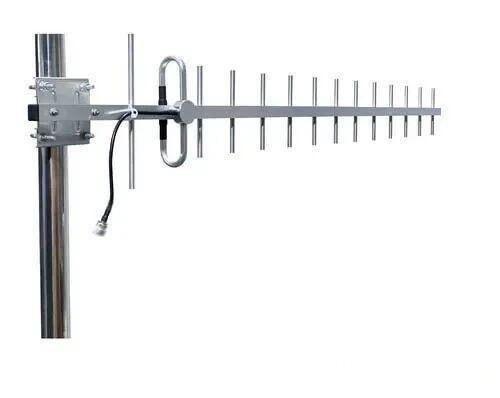 Outdoor Yagi TV Antenna


 Ceiling mount antenna
  Wall mount panel antenna
 Fiberglass Antenna
  Panel Antenna
  Parabolic Antenna
  Yagi Antenna


