

Views: 0 Author: Site Editor Publish Time: 2026-02-14 Origin: Site


Multi-network antennas supporting 5G, 4G, and 3G provide seamless connectivity across generations, essential for IoT, vehicles, and industrial applications. Choosing the right one ensures reliable performance in diverse environments.
These combo antennas cover wide frequency ranges like 600-6000MHz, allowing automatic band-switching from legacy 3G to ultra-fast 5G. They reduce hardware needs and support global roaming, outperforming single-band options limited to specific frequencies.
In transitional areas, they prevent drops by maintaining backward compatibility, ideal for businesses in manufacturing or telecom.
Prioritize antennas spanning 600-6000MHz to handle 3G (e.g., 700-2700MHz), 4G LTE, and 5G sub-6GHz bands. This broad support enables devices to connect across carriers and regions without reconfiguration.
Models like those from AsiaLeren cover 698-5000MHz, ensuring fallback to 2G/3G in weak 5G zones.
Look for 5-12 dBi gain for extended range and better signal penetration in urban or rural settings. High efficiency (up to 75%) minimizes loss, with omnidirectional patterns offering 360° coverage.
Combo units stack elements vertically in weatherproof radomes, radiating maximum power horizontally for optimal throughput.
Multiple Input Multiple Output (MIMO) doubles data speeds via 2x2 or 4x4 ports, crucial for 4G LTE and 5G. Seek dual or quad ports with SMA/TS-9 connectors for routers and modems.
This feature boosts applications like video streaming or telematics, with low VSWR (<2.0) reducing reflections.
IP67 or IP68 ratings protect against dust, water, and harsh weather for outdoor use on vehicles, roofs, or industrial sites. Fiberglass or low-profile pucks withstand vibrations and temperatures.
Magnetic or bracket mounts simplify installation on trucks or buildings.
Choose low-profile designs (e.g., puck-style) for easy integration into routers, Anti jamming antennas, or RVs. Options like thru-hole, adhesive, or ceiling mounts suit indoor/outdoor setups without bulk.
Detachable cables (e.g., LMR-400) with SMA/N-Female connectors minimize attenuation.
Full support for 2G/3G/4G/5G ensures no dead zones in mixed networks, vital for legacy devices or international travel. Auto-switching maintains links during handoffs.
This is key for M2M in agriculture, mining, or emergency services.
VSWR under 2.5:1 across bands prevents signal loss, paired with 50-ohm impedance for compatibility with Huawei, ZTE, or Ubiquiti gear. Test with apps like Network Cell Info post-install.
Many combos include GPS for tracking in fleet management or C-V2X vehicles, enhancing location accuracy alongside cellular.
Mount high with line-of-sight to towers, away from metal. Use quality cables and secure connections for peak performance.
These antennas excel in smart cities, telematics, routers, and off-grid monitoring, boosting throughput for 5G's low latency (1ms).
Feature | Benefit | Example Specs |
Frequency Range | Global roaming | 600-6000MHz |
Gain | Extended range | 5-12 dBi |
MIMO Ports | Faster speeds | 2x2 or 4x4 |
IP Rating | Durability | IP67/IP68 |
VSWR | Efficiency | <2.0 |
Selecting based on these features future-proofs networks while cutting costs—contact suppliers like AsiaLeren for tailored quotes.
What is a multi-network 5G/4G/3G antenna?
A multi-network antenna supports multiple cellular generations—5G sub-6GHz, 4G LTE, and 3G fallback—across wide frequencies like 600-6000MHz. It ensures seamless connectivity by auto-switching bands for global roaming and reliability in mixed networks.
Why choose a multi-band antenna over single-band?
Multi-band units cover diverse frequencies (e.g., 698-5000MHz), reducing dead zones during 3G/2G fallback or carrier changes. They simplify setups for IoT, vehicles, and routers, outperforming narrowband antennas in transitional areas.
What frequency range should I look for?
Aim for 600-6000MHz to handle 3G (700-2700MHz), 4G (700-3800MHz), and 5G sub-6GHz bands. This broad coverage supports carriers worldwide without reconfiguration.
How important is MIMO support?
Critical for 4G/5G—MIMO (2x2 or 4x4 ports) boosts speeds via multiple data streams. Dual-polarized ports (e.g., SMA connectors) enhance throughput for streaming or telematics.
What gain levels are best?
5-12 dBi provides extended range and penetration. Higher gain suits rural/outdoor use, while omnidirectional patterns ensure 360° coverage with up to 75% efficiency.
What does IP67/IP68 rating mean?
These ratings ensure dust/water resistance for harsh environments like vehicles or industrial sites. IP67 handles immersion; IP68 adds pressure resistance for long-term outdoor durability.
How do I check VSWR and impedance?
VSWR <2.0:1 minimizes signal loss across bands; 50-ohm impedance matches most modems (Huawei, ZTE). Test post-install with apps like Network Cell Info.
Are GPS-integrated options available?
Yes, many combos add GPS for fleet tracking or C-V2X, combining cellular with precise location without extra hardware.
What mounting types work best?
Magnetic, thru-hole, bracket, or adhesive for vehicles/roofs. Low-profile pucks (e.g., fiberglass) reduce drag and ease integration.
Can it work with legacy 3G/2G devices?
Absolutely—backward compatibility maintains links in weak 5G areas, ideal for global M2M in agriculture or emergency services.
How to install for optimal performance?
Mount high with tower line-of-sight, away from metal. Use low-loss cables (LMR-400) and secure SMA/N-Female connections.
What applications benefit most?
Telematics, routers, smart cities, off-grid monitoring—delivering 5G's low latency (1ms) with 4G/3G reliability.
How does AsiaLeren's antenna compare?
Their model offers 698-5000MHz, MIMO, IP67, and detachable cables for versatile B2B use in manufacturing/telecom.


 External GPS Antenna
  Ceramic antenna
  Internal GPS Antenna
  Surveying Antenna
 Magnet Antenna
  Patch Antenna
  Rubber Antenna
  Screw Antenna
  Spring Antenna
  Other Indoor Coverage Antenna&outdoor Wlan Antenna
 2.4G Antenna
  5.8G Antenna

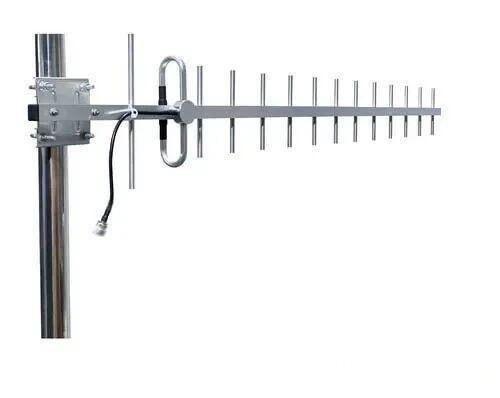 Outdoor Yagi TV Antenna


 Ceiling mount antenna
  Wall mount panel antenna
 Fiberglass Antenna
  Panel Antenna
  Parabolic Antenna
  Yagi Antenna


