

Views: 0 Author: Site Editor Publish Time: 2025-07-08 Origin: Site


Coaxial cables have been a fundamental component in the field of electrical engineering and telecommunications for decades. Their unique structure and capabilities have made them indispensable in various applications that require reliable and efficient transmission of high-frequency electrical signals. This article delves into the intricacies of coaxial cables, exploring their construction, functionality, and the myriad ways in which they are utilized in modern technology. By understanding the applications and advantages of coaxial cables, professionals and enthusiasts alike can appreciate their significance in both historical and contemporary contexts.
One of the key aspects of coaxial cables is their ability to minimize electromagnetic interference, ensuring signal integrity across different environments. This characteristic is particularly important in applications such as broadband internet networking, cable television, and connecting radio transmitters to antennas. For those interested in the components that make up these systems, understanding Coaxial Cables is essential.
At the core of a coaxial cable lies a simple yet effective design. It consists of an inner conductor surrounded by a concentric conducting shield, with a dielectric insulating material separating the two. This configuration allows the cable to carry high-frequency electrical signals with minimal losses, as the electromagnetic field is confined between the inner conductor and the outer shield. The outer sheath or jacket provides additional protection against environmental factors.
The inner conductor is typically made of solid or stranded copper, depending on the required flexibility and conductivity. Solid copper conductors offer lower resistance and are ideal for stationary installations, while stranded copper provides greater flexibility for applications where the cable must bend without compromising performance. In some cases, copper-plated steel is used to combine the strength of steel with the conductivity of copper, especially in high-frequency applications where skin effect becomes significant.
The dielectric material between the inner conductor and the outer shield plays a crucial role in the cable's performance. Materials such as solid polyethylene (PE), foam polyethylene, or polytetrafluoroethylene (PTFE) are commonly used due to their favorable electrical properties and low loss characteristics. The choice of dielectric affects the cable's characteristic impedance, signal attenuation, and overall efficiency. For high-performance applications, foam dielectrics are preferred because they introduce more air into the insulation, reducing the effective dielectric constant and minimizing signal loss.
The outer shield is typically composed of braided copper, aluminum foil, or a combination of both. This shield serves to prevent electromagnetic interference (EMI) from external sources and contains the electromagnetic field within the cable. Cables may feature single, double, or even quadruple shielding layers to enhance their EMI resistance. The quality and construction of the shield are paramount in applications where signal integrity is critical, such as in broadcasting and precision measurement equipment.
The outer jacket protects the cable from physical damage, moisture ingress, ultraviolet radiation, and chemical exposure. Materials like polyvinyl chloride (PVC), polyethylene, or thermoplastic rubber are commonly used. The selection depends on the environmental conditions the cable will face. For instance, cables intended for outdoor use require jackets that are resistant to UV light and extreme temperatures.
Coaxial cables operate based on the principles of electromagnetic field confinement and transmission line theory. The coaxial design ensures that the electromagnetic fields are confined within the dielectric medium between the conductors, reducing radiation losses and susceptibility to external interference.
The coaxial structure creates a self-shielding effect where the magnetic and electric fields are contained within the cable's cross-section. This is achieved because the currents on the inner conductor and the shield are equal in magnitude but flow in opposite directions, resulting in the cancellation of external fields. This property is critical in applications where signal integrity and minimal interference are required.
The characteristic impedance of a coaxial cable is determined by the dimensions of the conductors and the dielectric constant of the insulating material. It is a vital parameter that affects signal reflections and transmission efficiency. Standard characteristic impedances for coaxial cables are 50 Ω and 75 Ω, chosen based on the optimal balance between power handling capabilities and signal loss for specific applications.
Signal attenuation in coaxial cables occurs due to resistive losses in the conductors and dielectric losses in the insulating material. These losses increase with frequency, making it essential to choose appropriate materials and cable dimensions for high-frequency applications. Factors such as skin effect, where alternating current tends to flow near the surface of the conductor at higher frequencies, also contribute to attenuation.
Coaxial cables are ubiquitous in various industries due to their reliability and performance. They are employed in scenarios ranging from consumer electronics to complex industrial systems. Below are some of the primary applications:
In telecommunications, coaxial cables are used to transmit high-frequency signals for telephone trunk lines and broadband internet connections. They provide the bandwidth necessary for high-speed data transmission and are less susceptible to interference compared to unshielded twisted pair cables. The ability to carry large amounts of data over considerable distances makes them ideal for backbone networks.
Coaxial cables are the standard medium for distributing cable television signals from the service provider to consumers. They support a wide range of frequencies, allowing for multiple channels and services, including high-definition television and broadband internet access. The shielding effectiveness ensures high-quality signal transmission with minimal interference from external sources.
Connecting radio transmitters and receivers to their antennas often involves the use of coaxial cables. They are essential in both commercial broadcasting and personal communication systems like amateur radio. Coaxial cables ensure that the radio frequency energy is efficiently transmitted to the antenna with minimal loss and reflection, which is crucial for maintaining signal strength and clarity.
In medical applications, coaxial cables are used in imaging equipment such as MRI and ultrasound machines. Their ability to carry high-frequency signals without significant loss makes them suitable for transmitting detailed images and data. In industrial settings, coaxial cables are employed in instrumentation and control systems where signal integrity is paramount.
The continued use of coaxial cables in modern technology is a testament to their numerous advantages. These benefits include:
Coaxial cables can support a wide range of frequencies, making them suitable for applications that require the transmission of large amounts of data. This capacity is essential for services like broadband internet and high-definition video streaming, where data throughput is a critical factor.
The shielding provided by coaxial cables effectively protects the transmitted signal from external electromagnetic interference. This immunity ensures signal integrity in environments with high levels of electrical noise, such as industrial facilities or densely populated urban areas.
Coaxial cables are robust and can withstand physical stresses, environmental exposure, and electrical interference. Their construction materials and design contribute to a long service life, reducing maintenance costs and downtime in critical applications.
With a variety of connectors and accessories available, coaxial cables are relatively easy to install and integrate into existing systems. This convenience is particularly beneficial in consumer applications and in situations where rapid deployment is necessary.
Despite their advantages, coaxial cables also present certain challenges that must be addressed to ensure optimal performance.
As signal frequency increases, attenuation becomes more significant, limiting the effective transmission distance. To mitigate this, amplifiers or repeaters are often used in long-distance applications to boost signal strength and maintain quality.
Coaxial cables can be less flexible compared to other types of cabling, such as twisted pair cables. This rigidity may pose challenges during installation in intricate or constrained spaces. Additionally, the cable's size and weight can be factors in large-scale deployments.
While coaxial cables are generally cost-effective, the expenses associated with higher-grade materials and complex shielding designs can increase. Balancing performance requirements with budget constraints is essential when selecting the appropriate cable type for a specific application.
The ongoing evolution of technology continues to shape the role of coaxial cables in modern systems. Advances in materials science and manufacturing techniques promise enhancements in cable performance, including reduced attenuation and improved flexibility.
While fiber optic cables offer superior bandwidth and lower signal loss over long distances, coaxial cables remain relevant due to their compatibility with existing infrastructure and equipment. Hybrid systems that integrate both coaxial and fiber optic technologies can leverage the strengths of each medium, providing cost-effective solutions for high-performance networks.
Research into new dielectric materials and shielding techniques aims to reduce signal loss and improve electromagnetic interference resistance. Innovations such as superconducting materials and nanotechnology-based components could lead to significant advancements in coaxial cable capabilities.
Coaxial cables have played a vital role in the advancement of electrical and telecommunications engineering. Their unique ability to transmit high-frequency signals with minimal loss and interference has made them a cornerstone in numerous applications. From telecommunications and broadcasting to medical instrumentation, the versatility and reliability of coaxial cables are evident. As technology progresses, coaxial cables will continue to adapt and integrate with emerging systems, maintaining their relevance in an ever-evolving technological landscape. Understanding the principles, applications, and potential developments of coaxial cables is essential for professionals working in fields that rely on efficient and reliable signal transmission.
For a deeper understanding of the components involved in these systems, exploring Coaxial Cables provides valuable insights into their construction and applications.
A coaxial cable consists of an inner conductor, a dielectric insulating layer, an outer conducting shield, and a protective outer jacket. The inner conductor carries the signal, the dielectric insulates it from the outer shield, which prevents electromagnetic interference, and the outer jacket protects the cable from environmental factors.
Characteristic impedance is crucial because it affects the transmission of signals along the cable. Matching the impedance of the cable with connected equipment minimizes signal reflections and losses, ensuring efficient and reliable communication. Common characteristic impedances are 50 Ω and 75 Ω.
The dielectric material influences the cable's capacitance, characteristic impedance, and signal attenuation. Materials with lower dielectric constants, such as foam polyethylene, reduce signal loss and allow for higher frequency transmission. The dielectric also determines the velocity factor, affecting the speed at which signals propagate through the cable.
Coaxial cables are preferred in applications requiring high-frequency signal transmission with minimal interference and loss. These include telecommunications, cable television, radio frequency connections, and certain medical and industrial equipment. Their shielding effectiveness and bandwidth capabilities make them suitable for these demanding applications.
Limitations of coaxial cables include signal attenuation over long distances, reduced flexibility compared to other cable types, and potential higher costs for cables with advanced materials or complex shielding. Additionally, installation can be more challenging in confined spaces due to the cable's rigidity and size.
Technological advancements lead to improved materials and designs that enhance the performance of coaxial cables. Developments in dielectric materials, shielding techniques, and integration with fiber optics expand their capabilities. Such innovations may result in coaxial cables that support higher frequencies, offer greater flexibility, and have reduced signal loss.
Yes, coaxial cables can be integrated with fiber optic systems to create hybrid networks. This integration allows for the utilization of existing coaxial infrastructure while benefiting from the high bandwidth and low loss characteristics of fiber optics. Hybrid systems can provide cost-effective solutions that capitalize on the strengths of both transmission mediums.


 External GPS Antenna
  Ceramic antenna
  Internal GPS Antenna
  Surveying Antenna
 Magnet Antenna
  Patch Antenna
  Rubber Antenna
  Screw Antenna
  Spring Antenna
  Other Indoor Coverage Antenna&outdoor Wlan Antenna
 2.4G Antenna
  5.8G Antenna

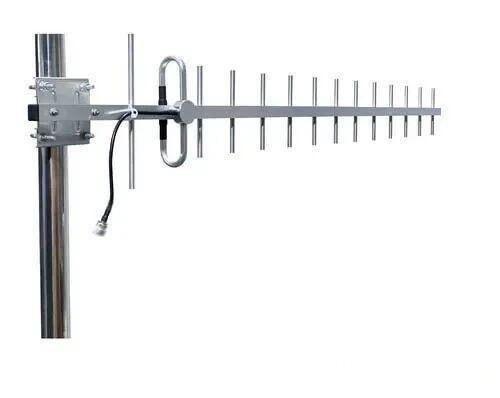 Outdoor Yagi TV Antenna


 Ceiling mount antenna
  Wall mount panel antenna
 Fiberglass Antenna
  Panel Antenna
  Parabolic Antenna
  Yagi Antenna


