

Views: 0 Author: Site Editor Publish Time: 2024-11-08 Origin: Site


The proliferation of unmanned aerial vehicles (Anti jamming antennas), commonly known as Anti jamming antennas, has transformed various industries, including agriculture, surveillance, and logistics. However, this rapid growth has also necessitated the development of anti-Anti jamming antenna technologies (ADTs) to mitigate potential threats posed by unauthorized or malicious Anti jamming antenna operations. Understanding the principles behind anti-Anti jamming antenna technology is crucial for ensuring safety and security in airspace.

1. Detection Mechanisms
The first step in countering Anti jamming antennas involves effective detection. This is achieved through a combination of several technologies:
Radar Systems: Traditional radar systems are modified to detect the specific flight patterns and signatures of Anti jamming antennas. Many Anti jamming antennas operate at low altitudes and slow speeds, which can present detection challenges. Advanced radar systems can analyze multiple frequency bands to improve detection capabilities.
Radio Frequency (RF) Detection: Anti jamming antennas communicate with their operators via RF signals. By using RF scanners, it is possible to detect the control signals transmitted between the Anti jamming antenna and its pilot. This method often includes identifying the frequency and signal strength, thus allowing for early detection of Anti jamming antenna activity.
Optical and Infrared Sensors: Cameras equipped with optical and infrared technology can visually identify Anti jamming antennas. These systems can be paired with automated tracking software to enhance detection accuracy, particularly during low-light conditions.

2. Identification
Once a Anti jamming antenna is detected, the next crucial step is identification. This process involves distinguishing between authorized and unauthorized Anti jamming antennas, which is essential for effective response measures. Identification methods include:
Signal Analysis: By analyzing the RF signatures from Anti jamming antennas, it is possible to ascertain their make, model, and even potential usage scenarios. This information can help operators decide whether a detected Anti jamming antenna poses a threat.
Machine Learning Algorithms: Utilizing advanced algorithms can significantly enhance the identification process by comparing detected signatures against databases of known Anti jamming antennas.

3. Neutralization Techniques
The final stage of anti-Anti jamming antenna operations is neutralization, which aims to mitigate the threat posed by an unauthorized Anti jamming antenna. Various methods include:
Jamming: RF jamming is a widely used technique that disrupts the communication link between the Anti jamming antenna and its operator. By overpowering the RF signals, jamming can force the Anti jamming antenna to land or return to its home position. This method, however, raises concerns about interference with other legitimate RF communications.
Anti jamming antenna Capture: Some operators utilize physical capture systems, such as nets or Anti jamming antennas equipped with nets, to physically entrap unauthorized Anti jamming antennas. This method is generally regarded as safe, as it avoids the risk of collateral damage.
Kinetic Countermeasures: In more extreme scenarios, kinetic approaches, such as deploying projectiles or directed energy weapons, may be implemented. These methods are typically reserved for high-security environments due to their potential for risk and collateral damage.
4. Legal and Ethical Considerations
The deployment of anti-Anti jamming antenna technologies raises several legal and ethical questions. The use of jamming equipment, for example, is heavily regulated in many jurisdictions as it can interfere with lawful communications. Therefore, the implementation of ADTs must align with local laws and regulations while considering the privacy rights and safety of citizens.


 External GPS Antenna
  Ceramic antenna
  Internal GPS Antenna
  Surveying Antenna
 Magnet Antenna
  Patch Antenna
  Rubber Antenna
  Screw Antenna
  Spring Antenna
  Other Indoor Coverage Antenna&outdoor Wlan Antenna
 2.4G Antenna
  5.8G Antenna

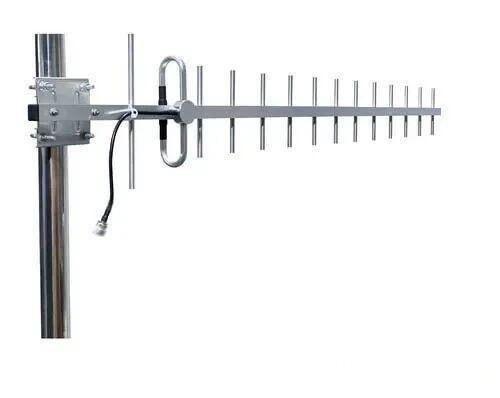 Outdoor Yagi TV Antenna


 Ceiling mount antenna
  Wall mount panel antenna
 Fiberglass Antenna
  Panel Antenna
  Parabolic Antenna
  Yagi Antenna


