 English
Views: 0 Author: Site Editor Publish Time: 2025-12-01 Origin: Site

VHF signals are essential for reliable communication, whether on boats, remote areas, or for digital TV reception. A high-quality VHF antenna ensures clear, consistent signals and reduces interference, dropouts, or weak reception. However, even the best radio or TV equipment cannot perform optimally without proper antenna selection, placement, and maintenance.
In this guide, we’ll explore practical tips and advanced techniques to improve VHF reception, from choosing the right antenna type to troubleshooting common issues and using boosters or dual antenna setups.
VHF stands for Very High Frequency, covering 30 MHz to 300 MHz. It’s used in marine radios, digital TV, and emergency services. VHF signals travel mostly in a straight line. They depend heavily on line-of-sight, so height matters. It’s not just your antenna; the transmitting antenna’s height matters too.
Weak or limited signal range
Obstructions like trees, hills, and buildings
Poor-quality coax cables or connectors
Interference from electronics or metal surfaces
Outdated or low-gain antennas
Not all antennas are equal. They vary in design, gain, and durability.
| Antenna Type | Strengths | Limitations |
|---|---|---|
| Omnidirectional | Covers all directions, easy to install | Lower range than directional |
| Directional / Yagi | Focused signal, long range | Must point at transmitter |
| Dipole / Rabbit Ear | Simple, inexpensive | Low gain, susceptible to corrosion |
| Outdoor Digital | High gain, weather-resistant | Larger, requires mounting |
High-quality internal elements like brass or silver plating improve signal clarity. Materials matter. Cheap internals can reduce range.
Height is king when it comes to VHF reception. Mounting your antenna at the highest point possible dramatically improves line-of-sight and reduces obstacles that can weaken the signal. On boats, the top of the mast or a radar pole is ideal, while for homes, the roof or high walls work best, especially if you avoid metal objects nearby. Indoor antennas perform better when placed near windows and away from thick walls that could block signals. Even a small increase in elevation can extend your VHF range significantly and make a noticeable difference in clarity.
Directional antennas perform best when pointed directly toward the nearest transmission tower. Small adjustments in angle often result in significant improvements in reception. Using a compass app on a smartphone or consulting online tower locators can help you find the correct direction. Once positioned, it’s useful to test slightly different angles while monitoring your signal meter. Even minor changes can optimize the signal and reduce interference or dropout.
The quality of cables and connectors plays a crucial role in maintaining a strong VHF signal. Low-quality coaxial cables can lead to signal loss, so using RG-8X, RG-213, or high-quality RG6 cables is recommended. Connectors should be gold-plated whenever possible, as they reduce loss and resist corrosion. It’s also important to regularly check for any frays, cracks, or signs of wear. Keeping cable runs as short as practical helps maintain signal strength and prevents unnecessary degradation over distance.
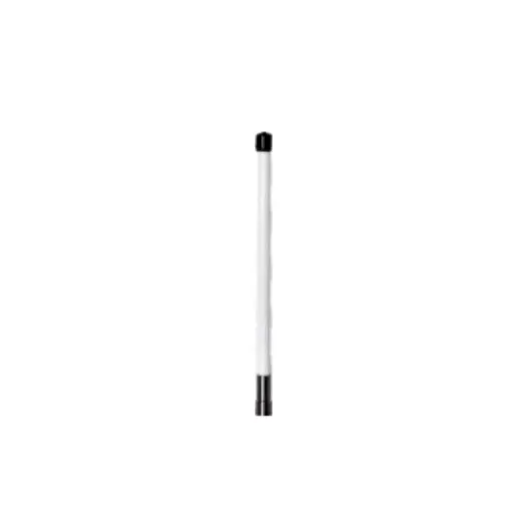
Signal amplifiers can significantly improve VHF reception, especially for weak signals or long cable runs. They boost the incoming signal before it reaches your VHF antenna or handheld walkie-talkie antenna.
When to use:
Long cable runs that degrade signal
Rural locations far from broadcast towers
Boats or remote installations with obstacles
Best practices:
Match amplifier gain to your antenna system
Avoid over-amplification to prevent distortion
Use a high-quality power source to minimize noise
Installing more than one directional antenna can improve reception from multiple towers. This works for VHF antennas in homes, boats, or base stations, and can also support handheld walkie-talkie antennas in remote setups.
Setup tips:
Maintain 1–2 meters distance between antennas to prevent interference
Use a quality coaxial signal combiner for merging signals
Ensure equal cable lengths to avoid phase cancellation
Test each antenna independently before combining
DIY antennas allow hobbyists to build custom solutions for specific reception needs. Common examples include the Gray-Hoverman or fractal designs suitable for VHF antennas and some handheld walkie-talkie antennas.
Pros:
Low cost compared to commercial antennas
Customizable for specific environments or frequency ranges
Great learning experience for enthusiasts
Cons:
Time-consuming and requires trial-and-error
Performance may vary depending on materials and construction
Fine-tuning needed for optimal alignment
Some users still rely on vintage VHF antennas. While older antennas can work, their performance is generally lower than modern high-gain models. Pairing vintage antennas with modern boosters or amplifiers can improve reception.
Tips:
Combine with a modern signal amplifier for better gain
Place near a strong transmitter for optimal results
Inspect regularly for corrosion or bent elements
Works with handheld walkie-talkie antennas in legacy setups
Note: Vintage antennas are best for hobbyists or secondary setups; modern designs usually outperform them in challenging environments.
VHF reception can be affected by a variety of interference sources around your home, boat, or remote setup. Electronic devices such as Wi-Fi routers, cordless phones, and even fluorescent lights emit signals that can disrupt your VHF antenna or handheld walkie-talkie antenna. Metal walls, mirrors, and reinforced concrete can also reflect or block signals, reducing clarity. To improve reception, move your antenna away from electronics, test the signal with nearby appliances turned off, and avoid placing antennas near large metal objects. Even small adjustments in position or orientation can noticeably improve signal strength and stability.
Digital receivers and TVs often store outdated channel information, which can lead to missing channels or weak signals. Rescanning channels is a simple and effective way to refresh your setup. Disconnect the coaxial cable from your VHF antenna or device, run a full channel scan, reconnect, and scan again to ensure all available channels are captured. Regular rescanning is especially important after moving the antenna, replacing cables, or upgrading equipment. Handheld walkie-talkie antennas may also require periodic retuning to maintain optimal reception in portable applications.
Testing your VHF antenna with a second device, such as another TV, VHF radio, or handheld walkie-talkie, helps determine whether the reception problem is due to the antenna or the receiving device itself. If the second receiver gets a clearer or stronger signal, the issue likely lies with the original tuner, cable, or connector rather than the antenna. This method allows you to isolate the problem without unnecessary replacements and ensures that adjustments or upgrades target the actual weak points in your setup.
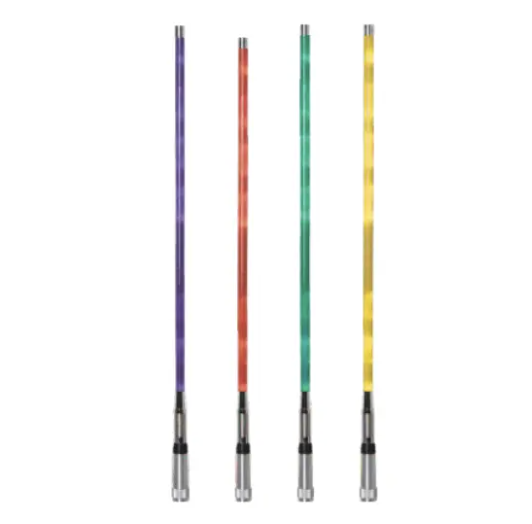
Some VHF reception problems are best handled by professional technicians, particularly in complex or high-risk setups. Persistent signal dropouts, multi-room installations, and rooftop or marine antenna work often require expert attention. Professionals can perform signal testing using specialized equipment to identify weak areas or interference sources, optimize the placement of your VHF antenna or handheld walkie-talkie antenna, and install modern antennas, amplifiers, or boosters. They can also weatherproof outdoor installations to ensure consistent performance in harsh conditions. Hiring a professional not only improves reception but also ensures safety when dealing with elevated or challenging installation sites.
Inspect mounts, cables, and connectors
Secure outdoor antennas against wind, rain, extreme heat
Weatherproof cables to avoid moisture damage
Foliage, storms, and snow can affect reception. Sometimes moving antenna a few meters restores signal.
| Factor | Indoor Antenna | Outdoor Antenna | Dual Setup |
|---|---|---|---|
| Gain | Low | High | Very High |
| Installation Complexity | Easy | Moderate | Advanced |
| Best for | Small rooms | Houses / boats | Multiple towers |
| Noise Resistance | Low | High | Highest |
A: A VHF antenna is a device that receives or transmits Very High Frequency signals, typically between 30 MHz and 300 MHz. It works mainly through line-of-sight, so height and placement greatly affect performance.
A: Weak reception can result from low-quality cables, poor connectors, nearby electronic interference, physical obstructions, or improper antenna alignment. Even a high-quality antenna won’t perform well if these factors are not addressed.
A: Ideally, mount your antenna at the highest point available, such as a roof, mast, or radar pole. For handheld walkie-talkie antennas, keep them elevated and clear of metal objects for optimal line-of-sight.
A: Indoor antennas can work within 20 miles of a broadcast tower, but they are more susceptible to interference from walls, electronics, and metal surfaces. Using a high-gain indoor antenna with an amplifier can help improve reception.
A: Poor cables reduce signal strength. High-quality coaxial cables like RG-8X, RG-213, or RG6 minimize loss, and gold-plated connectors help prevent corrosion and maintain clear signals.
Improving your VHF antenna performance doesn’t have to be complicated. By focusing on proper placement, alignment, cable quality, and signal amplification, you can achieve stronger, more reliable reception whether at home, on a boat, or using a handheld walkie-talkie antenna.
For those looking for high-quality VHF solutions, Zhengzhou LEHENG Electronic Technology Co., Ltd. offers professional-grade antennas and accessories designed to maximize signal clarity and range. Trust their expertise to ensure your VHF system delivers the best possible performance in any environment.


