Views: 0 Author: Site Editor Publish Time: 2024-11-11 Origin: Site

High gain precision GNSS antennas are a crucial component in enhancing GPS performance. These antennas offer improved signal reception, accuracy, and reliability, making them essential for various applications such as surveying, mapping, and navigation. By leveraging advanced technology and design, high gain precision GNSS antennas are able to capture weak satellite signals and amplify them, resulting in superior positioning and timing information. With their ability to operate in challenging environments and provide consistent performance, these antennas are a valuable tool for professionals in the field who rely on precise GPS data for their work.
GNSS (Global Navigation Satellite System) antennas are devices designed to receive signals from satellites and convert them into usable data for navigation and positioning purposes. These antennas play a crucial role in enhancing the accuracy and reliability of GPS (Global Positioning System) performance.
There are different types of GNSS antennas available on the market, each designed to cater to specific needs and applications. Some common types include:
1. Passive antennas: These are the most basic type of GNSS antennas and do not have any built-in amplification. They rely on the natural gain of the antenna to capture satellite signals. Passive antennas are typically used in applications where high precision is not required.
2. Active antennas: Unlike passive antennas, active antennas have built-in amplifiers that boost the received signals before they are sent to the GNSS receiver. This amplification helps to improve the signal-to-noise ratio, resulting in better GPS performance. Active antennas are commonly used in applications that require high precision and accuracy.
3. High gain antennas: These antennas are designed to provide even greater amplification than standard active antennas. High gain antennas are capable of capturing weak satellite signals from long distances, making them ideal for use in remote or challenging environments. They are commonly used in applications such as surveying, mapping, and geodesy.
In addition to these types, GNSS antennas can also be categorized based on their frequency bands. The most common frequency bands used in GNSS systems are L1, L2, and L5. L1 is the most widely used frequency band and is compatible with most GNSS receivers. L2 and L5 bands offer additional signals for improved accuracy and reliability, especially in urban environments where multipath interference is a concern.
When selecting a GNSS antenna, it is important to consider factors such as the required level of accuracy, the operating environment, and the budget. Different antennas have different specifications in terms of gain, noise figure, and frequency response, so it is essential to choose an antenna that meets the specific requirements of the application.
Overall, understanding the different types of GNSS antennas and their capabilities is crucial for optimizing GPS performance. By selecting the right antenna for the intended application, users can ensure accurate and reliable positioning and navigation data.
High gain precision GNSS antennas are essential for improving GPS performance in various applications. These antennas offer several benefits that significantly enhance the accuracy and reliability of GPS signals.
One of the key advantages of high gain precision GNSS antennas is their ability to capture weak satellite signals. These antennas are designed with a larger surface area, which allows them to collect more signals from satellites. This is particularly beneficial in challenging environments where satellite signals may be weak or obstructed, such as urban areas with tall buildings or remote locations with dense foliage.
By capturing more signals, high gain precision GNSS antennas can provide more accurate positioning information. The accuracy of GPS positioning is determined by the number and quality of satellite signals received. With more signals and better quality, these antennas can calculate the position with higher precision and reduce the margin of error.
In addition to improved accuracy, high gain precision GNSS antennas also offer enhanced reliability. These antennas are less susceptible to interference from multipath signals, which occur when satellite signals bounce off buildings or other objects before reaching the antenna. Multipath interference can degrade the quality of GPS signals and lead to inaccurate positioning. However, high gain precision GNSS antennas are designed to mitigate the effects of multipath interference, resulting in more reliable GPS performance.
Another important feature of high gain precision GNSS antennas is their ability to operate across multiple frequency bands. These antennas are typically dual-frequency or multi-frequency, meaning they can receive signals from different satellite systems operating on different frequency bands. This capability is crucial for achieving better accuracy and reliability, as different satellite systems may provide signals with varying levels of accuracy and availability.
Furthermore, high gain precision GNSS antennas are equipped with advanced filtering technology that helps to eliminate unwanted signals and noise. This filtering technology ensures that only the desired satellite signals are processed, further improving the quality of GPS signals and reducing the impact of interference.
Overall, high gain precision GNSS antennas play a vital role in improving GPS performance. Their ability to capture weak signals, provide accurate positioning, mitigate multipath interference, operate across multiple frequency bands, and filter out unwanted signals makes them indispensable in applications that require high precision and reliability. Whether it’s for surveying, mapping, navigation, or other geospatial applications, high gain precision GNSS antennas are essential tools for achieving optimal GPS performance.
High gain precision GNSS antennas are designed with several key features that contribute to their ability to improve GPS performance. These features include low noise amplification, high signal-to-noise ratio, high gain, wide bandwidth, and multi-frequency capability.
Low noise amplification is a crucial feature of high gain precision GNSS antennas. These antennas are equipped with low noise amplifiers (LNAs) that amplify the received signals while minimizing the addition of noise. By reducing the noise figure, these antennas can provide cleaner and more accurate signals to the GNSS receiver, resulting in improved GPS performance.
The high signal-to-noise ratio (SNR) is another important feature of high gain precision GNSS antennas. The SNR is a measure of the desired signal strength compared to the background noise. High gain precision GNSS antennas are designed to have a high SNR, which means that the desired satellite signals are significantly stronger than the noise. This high SNR allows for better signal processing and more accurate positioning calculations.
High gain is a defining characteristic of these antennas. The gain refers to the ability of the antenna to amplify the received signals. High gain precision GNSS antennas have a higher gain compared to standard antennas, allowing them to capture weaker satellite signals from greater distances. This is particularly beneficial in challenging environments where satellite signals may be weak or obstructed.
Wide bandwidth is another key feature of high gain precision GNSS antennas. The bandwidth refers to the range of frequencies that the antenna can effectively receive. High gain precision GNSS antennas have a wide bandwidth, allowing them to capture signals from multiple GNSS constellations and frequency bands. This multi-constellation and multi-frequency capability further enhances GPS performance by providing more satellite signals for positioning calculations.
Multi-frequency capability is a significant advantage of high gain precision GNSS antennas. These antennas can receive signals from different GNSS constellations operating on different frequency bands, such as L1, L2, and L5. Each frequency band has its own characteristics, and by utilizing multiple frequency bands, high gain precision GNSS antennas can provide better accuracy, reliability, and resilience to interference.
In summary, the key features of high gain precision GNSS antennas include low noise amplification, high signal-to-noise ratio, high gain, wide bandwidth, and multi-frequency capability. These features work together to improve GPS performance by providing cleaner, more accurate, and reliable signals for positioning calculations. High gain precision GNSS antennas are essential tools for applications that require high precision and accuracy in GNSS-based navigation and positioning.
High gain precision GNSS antennas find applications in various fields where accurate positioning and navigation are crucial. Some of the key applications include:
1. Surveying and mapping: High gain precision GNSS antennas are widely used in land surveying and mapping applications. These antennas provide accurate and reliable positioning data, allowing surveyors to obtain precise measurements and create detailed maps. The high gain of these antennas enables them to capture weak satellite signals, even in challenging environments such as urban areas with tall buildings or dense foliage.
2. Agriculture: In the agricultural industry, high gain precision GNSS antennas are used for precision farming. These antennas provide accurate positioning data for tasks such as planting, fertilizing, and harvesting. By using GNSS technology, farmers can optimize their operations, reduce costs, and improve crop yields. The high gain of these antennas allows them to maintain a strong signal even in areas with variable terrain or dense crop cover.
3. Construction and civil engineering: High gain precision GNSS antennas are essential tools in the construction and civil engineering industries. They are used for tasks such as site surveying, machine control, and monitoring of structural movements. The high accuracy and reliability of these antennas enable engineers and contractors to ensure that construction projects are carried out according to specifications and within tolerances.
4. Transportation and logistics: GNSS technology, enabled by high gain precision antennas, is widely used in the transportation and logistics industry. These antennas provide accurate positioning data for fleet management, route optimization, and tracking of goods in transit. The high gain of these antennas ensures that reliable signals are maintained even in urban canyons or areas with poor satellite visibility.
In conclusion, high gain precision GNSS antennas are indispensable in enhancing GPS performance across various applications and industries. Their capability to capture weak satellite signals, deliver superior accuracy, and provide reliable data makes them vital tools for professionals who rely on precise GPS information. With features like low noise amplification, high signal-to-noise ratios, and multi-frequency capability, these antennas significantly improve positioning calculations, even in challenging environments. Whether employed in surveying, agriculture, construction, or transportation, high gain precision GNSS antennas consistently provide the accuracy and resilience needed for demanding tasks. As technological advancements continue, the role of these antennas will become increasingly crucial in enabling precise and dependable GPS solutions.


 External GPS Antenna
  Ceramic antenna
  Internal GPS Antenna
  Surveying Antenna
 Magnet Antenna
  Patch Antenna
  Rubber Antenna
  Screw Antenna
  Spring Antenna
  Other Indoor Coverage Antenna&outdoor Wlan Antenna
 2.4G Antenna
  5.8G Antenna

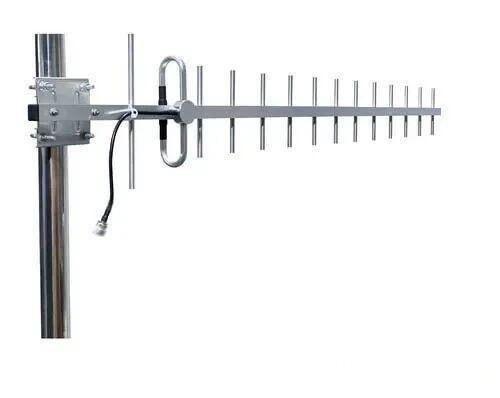 Outdoor Yagi TV Antenna


 Ceiling mount antenna
  Wall mount panel antenna
 Fiberglass Antenna
  Panel Antenna
  Parabolic Antenna
  Yagi Antenna


